

Whole-house surge protection can be worth the cost when a damaged appliance or electronic system would leave you with a large bill or a long wait for repairs. A properly selected surge protective device (SPD) helps limit voltage spikes on connected circuits, including those serving equipment that cannot conveniently plug into a surge strip.
Its value depends on the job you expect it to do. An SPD will not keep the lights on during an outage or repair faulty wiring, and equipment damage remains possible. Before buying one, identify what needs protection and have the electrical system assessed.
What does a whole-house surge protector protect?
A surge is a brief rise in voltage above the normal electrical supply. Switching equipment, utility disturbances, and nearby lightning can produce these transients. An SPD limits the voltage across its protected connections by diverting surge current through its designed paths. It responds to a different problem than a breaker protecting against excessive current.
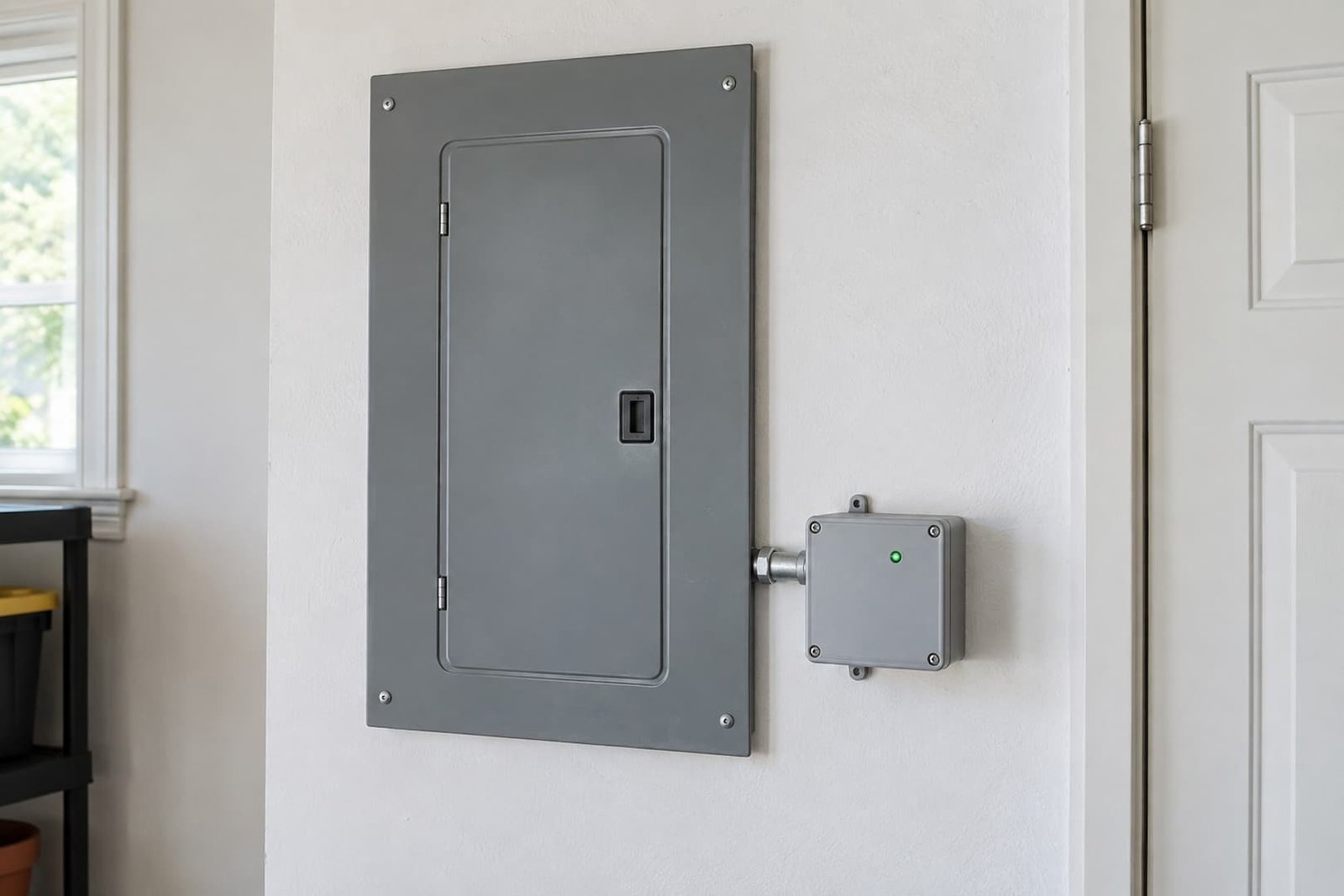
Installed at the appropriate service or distribution point, whole-home protection can help reduce surge exposure for connected appliance controls, HVAC electronics, lighting, and receptacle circuits. The Electrical Safety Foundation’s residential guidance explains the distinction between protection at the panel and protection for individual plugged-in devices. Neither provides a promise of zero damage.
Consider a kitchen remodel. A refrigerator, dishwasher, and induction range may each contain electronic controls, yet none belongs on a desk-style power strip. When you are comparing protection costs, include these less visible components alongside the television and computer.
When the investment makes sense
The strongest case is a home with several costly electronic systems and no existing protection at the service or panel. A recently installed heat pump, home office, or remodeled kitchen gives you a reason to assess that gap. Panel work is another useful opportunity: ask the electrician to price the SPD as a separate item while planning the larger job. That makes the added scope visible and lets you compare the same device and installation method across bids. Keep necessary panel repairs in the base project instead of treating surge protection as their substitute.
Someone expecting to move soon may weigh the expense differently from a homeowner replacing appliances throughout the house. Compare the installed cost with the disruption a failure would cause and check what protection you already have.
A promised payback period would require predicting both future surges and the damage they would cause.

The problems an SPD cannot solve
Match the equipment to the disturbance. An ordinary whole-house SPD is intended for short transients, not sustained abnormal supply voltage. ESFI’s guidance on surge-protection misconceptions identifies sustained overvoltage and direct lightning strikes as conditions that ordinary SPDs cannot be relied on to protect against.
| Situation | What surge protection can do | What still needs attention |
|---|---|---|
| A brief voltage spike | Limit the transient within the device’s capabilities | Correct selection, installation, and protection status |
| Power outage or low voltage | Provide no backup energy | Suitable UPS or backup-power planning |
| A loose or failing neutral | Provide no repair or dependable sustained-overvoltage solution | Urgent utility or electrician diagnosis |
| Repeated breaker trips or a hot outlet | Provide no correction of the underlying fault | Circuit, connection, or appliance troubleshooting |
| A direct lightning strike | Offer no guarantee that equipment will survive | A separate lightning-protection assessment where appropriate |
If lights become unusually bright in one area while dimming elsewhere, or several appliances behave abnormally at once, arrange prompt investigation. Buying an SPD should not delay it. For active smoke, fire, or immediate danger, leave the area and call 911. Other recurring symptoms belong with electrical repair and troubleshooting.
Protection on the AC supply also does not automatically protect every other connection entering a device. Coaxial cable, copper communications wiring, outdoor equipment, and separate buildings may need their own assessment. Ask the installer which paths and panels the proposed work covers.
Type 1, Type 2, and Type 3: where each belongs
These classifications describe installation applications. A Type 1 SPD can be suitable on the supply or load side of service overcurrent protection, subject to its listing and instructions. Type 2 equipment belongs on the load side. Type 3 covers point-of-use protection, including suitable plug-in devices. UL’s equipment guide defines these categories; the exact product instructions govern the installation.
Choosing between Type 1 and Type 2 requires knowing where the SPD will connect. Both can help with internally and externally generated surges when correctly applied. Ask the installer why the proposed location and device fit your home’s distribution system; the type number by itself cannot answer that question.
A service-level SPD and suitable point-of-use protection can serve complementary roles. Keep a listed surge protector at sensitive electronics when the equipment instructions allow it. Follow its placement, grounding, and load limits; never daisy-chain strips or use one to accommodate appliances beyond its rating.
A surge strip and a UPS do different jobs
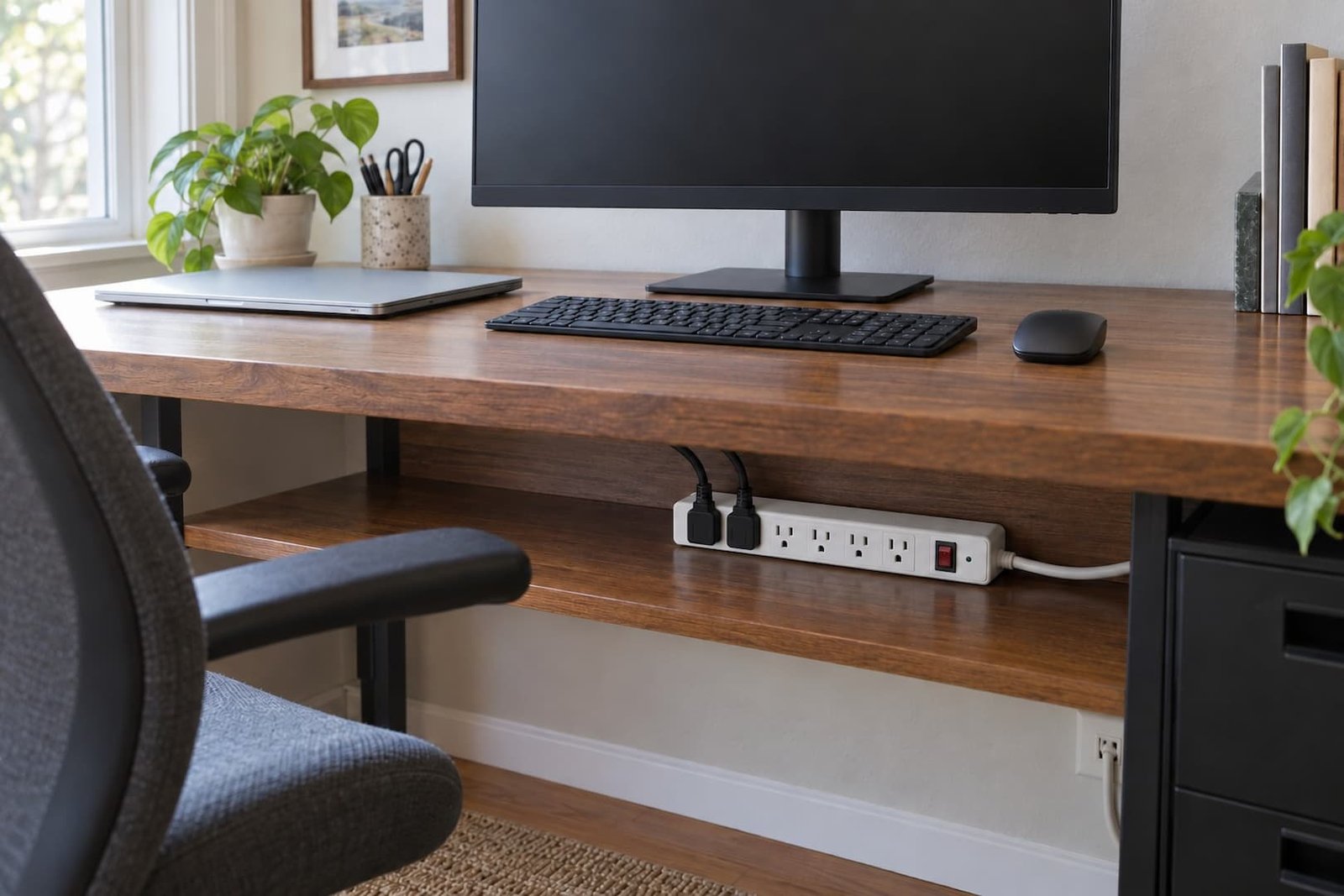
A plain power strip adds receptacles and may have an overload breaker, but that alone does not establish surge protection. Check the product’s actual listing. A UPS adds battery-supported operating time for selected equipment. Some models also include surge protection and voltage regulation; those functions depend on the model.
For example, Eaton’s SmartPro specifications list battery runtime, automatic voltage regulation, and surge suppression separately. In a home office, the practical question is whether you need protection from a spike, time to save your work during a blackout, or both. Battery runtime depends on the connected load.
How to compare whole-house surge protectors
Start with a listed SPD evaluated to UL 1449 and suitable for the actual electrical system. Check voltage, panel compatibility, installation type, enclosure rating, and protection modes. Product families can contain different configurations: Eaton’s SP series, for example, lists its certification and enclosure details alongside model options. Give the electrician the complete model number before ordering.
Voltage protection rating (VPR) describes measured limiting performance under a standardized surge test. Compare equivalent modes and test conditions. Nominal discharge current (In) describes performance under a specified repeated-impulse test. Maximum continuous operating voltage (MCOV) is another application limit. UL identifies these as important performance parameters; they should be read together rather than reduced to one shopping score.
A manufacturer’s surge-current capacity, often advertised in kiloamps, is different from your home’s service amperage. A larger headline number does not tell you whether the unit fits your panel or how much voltage will reach a particular appliance. Ask the electrician to explain the proposed model’s relevant ratings.
Do not choose a panel SPD by joules alone. Schneider Electric’s surge-capacity guidance explains why UL 1449 testing uses current ratings rather than relying on advertised joule totals. A connected-equipment warranty also deserves a separate read: eligibility, installation conditions, exclusions, and claim documentation matter as much as its headline dollar limit.
Installation quality and older-home conditions
The connection path affects performance. Eaton’s guide to surge suppression explains that installation lead length adds to the voltage experienced during a surge. This is one reason an installer should select the mounting position before you purchase a device.
The electrician must also check grounding and bonding, panel condition, compatible connection hardware, and the manufacturer’s required protection. An SPD does not add an equipment-grounding conductor to old ungrounded branch wiring. Homes with unresolved wiring concerns may need an electrical safety inspection before the protection scope is settled.
In a condo, establish which equipment serves your unit and which serves the building. The panel in your hallway may be downstream from shared service equipment. Access, ownership, association approval, and shutdown coordination belong in the proposal. A device installed for one unit should not be described as protecting unrelated building circuits.
For San Francisco work, have the contractor confirm the permit and inspection scope with DBI. The City’s electrical permit worksheet calls for the work location and affected distribution equipment. A simple add-on and a service replacement can have different requirements; an online national checklist cannot settle your project’s local obligations.
What should an installation estimate include?
A shelf price will not tell you the installed cost. The estimate should identify the model and mounting method, plus connection materials, labor, permit handling where required, and final verification. If the electrician finds panel damage or a grounding problem, ask for that repair to be itemized and explained. Also establish whether the price covers only the main panel or includes additional protection for a detached structure or sensitive equipment.
An accessible panel with a suitable connection point presents a different scope from crowded service equipment in a shared electrical room. Compare those details before comparing totals.
Do not remove the panel cover to gather estimate photos. Pictures of the closed panel, readable exterior label, and surrounding space are a useful starting point. The contractor can collect information requiring access to energized equipment during the site assessment.
How long does the protection last?
You cannot assign every SPD the same replacement date. Schneider Electric’s lifespan guidance points to exposure, connected loads, installation, and the size and duration of surge events. Check the manufacturer’s maintenance instructions instead of assuming that a device is healthy because it is only a few years old.
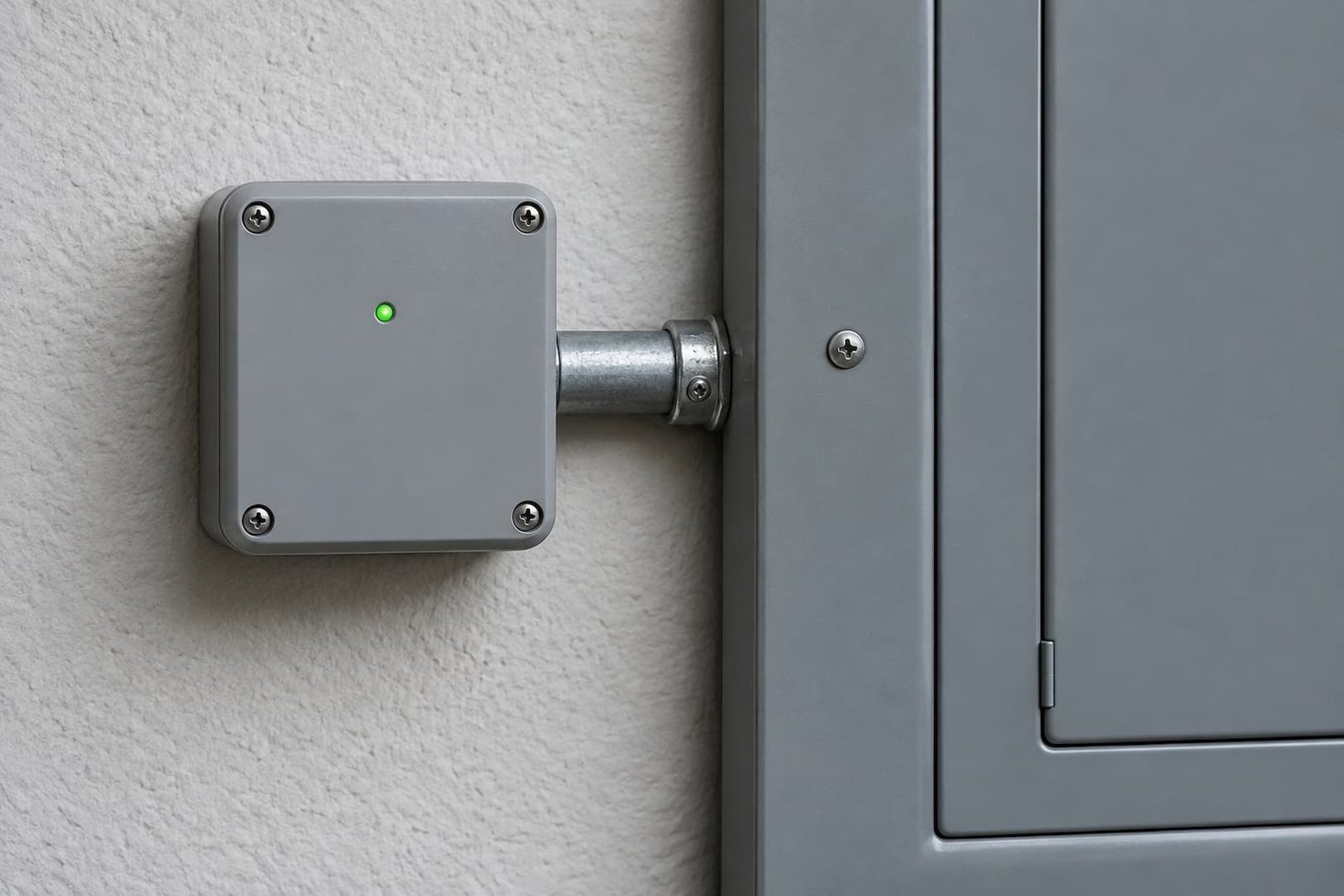
At handoff, ask the electrician to show you the normal indication and record the model and installation date. Follow that model’s instructions for checking status, particularly after a significant electrical event.
A protection light reports the device’s status. It cannot tell you how many years of protection remain or guarantee the condition of every connected appliance.
If an indicator goes out, do not assume the device is merely old. Schneider’s SDSA1175 guidance, for example, calls for checking supply connections and the breaker when its light is off. Have a qualified electrician determine whether power was lost or the SPD needs replacement. Keep panel covers in place.
Get a protection plan for your home
MaxElectric can review your panel and the equipment you want to protect, then explain a suitable installation scope. Visit our surge protection installation service or call (415) 867-7006. Mention any existing SPD, separate panels, or recent electrical problems when arranging the assessment.