
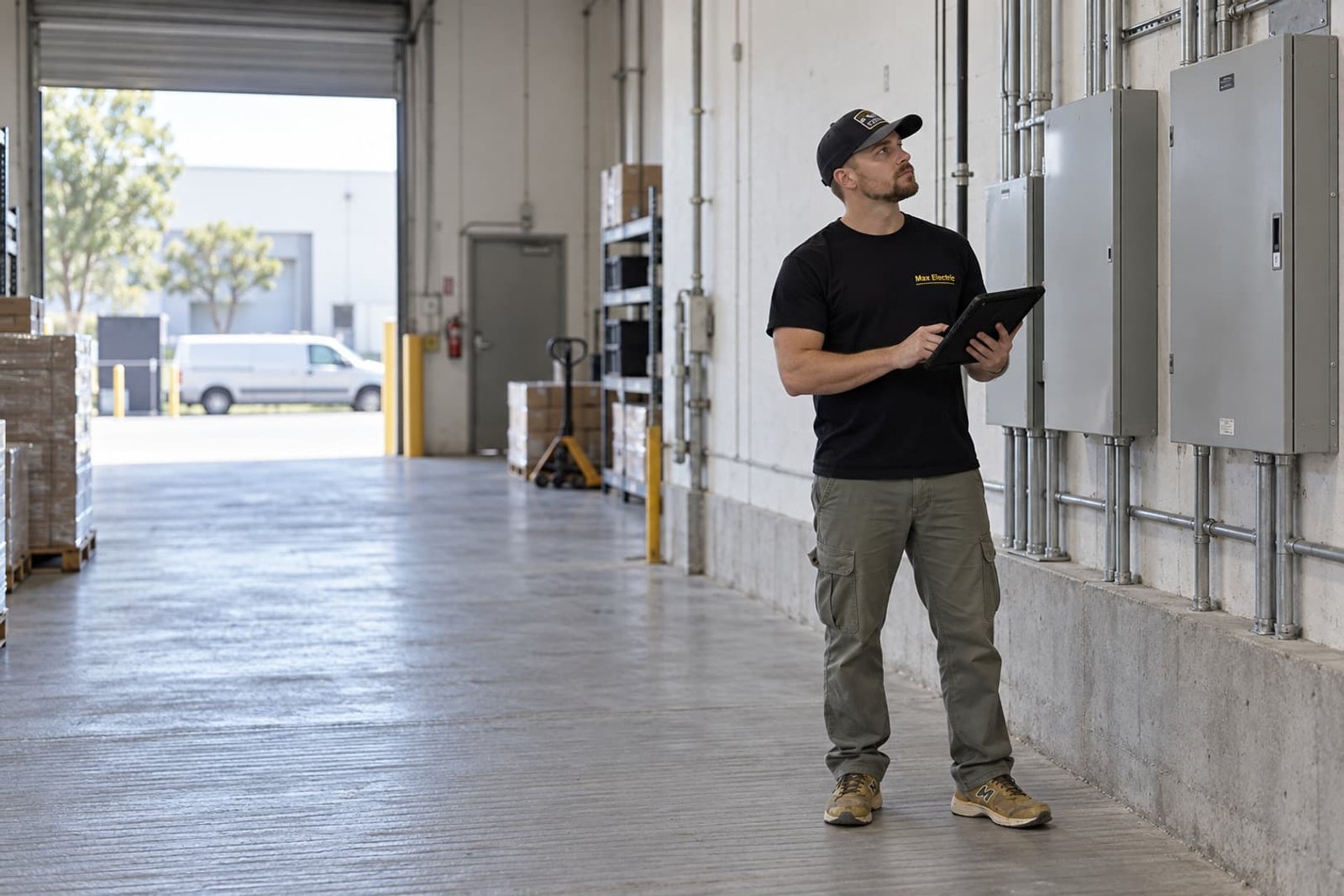
Electrician in South San Francisco, CA
An electrical problem can stop one appliance or interrupt an entire property. Max Electric provides electrical service in South San Francisco, from finding a faulty circuit to coordinating panel work, new equipment connections and remodel wiring.
On this page
Who else depends on the circuit?
The visible problem is only one part of the job. We also need to know who uses the space and what else will lose power during testing or installation.
An occupied home
A kitchen repair may interrupt refrigeration, lighting or a home office elsewhere on the same circuit. Tell us which rooms are affected and which daily activities need accommodation.
- Discuss access to the panel, garage and affected rooms.
- Identify equipment that must not be interrupted without a plan.
A managed or commercial property
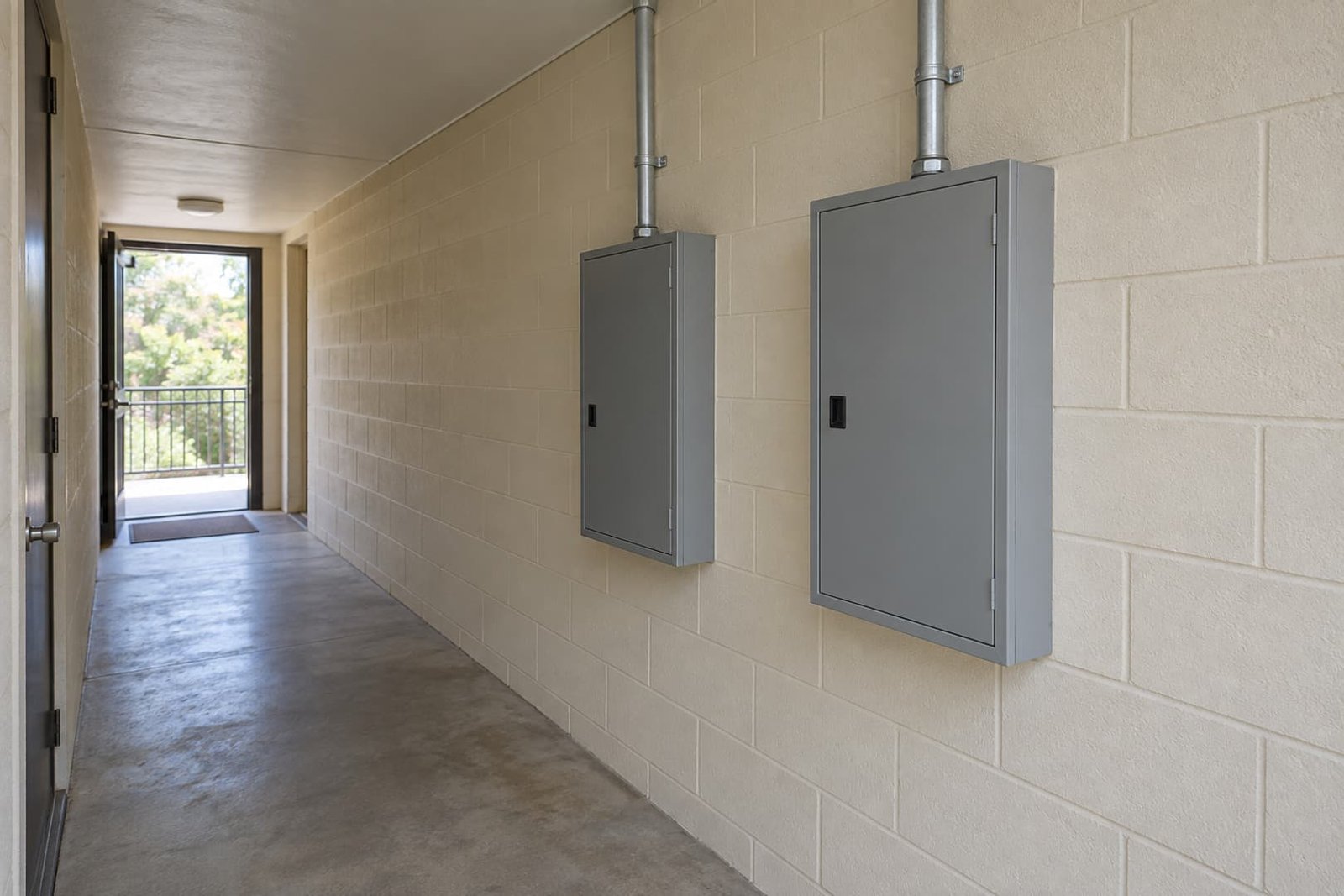
A tenant’s fault may involve shared distribution or equipment behind a locked service-room door. The owner, tenant and property manager may each control a different part of the work.
- Name the person who can approve the work.
- Arrange common-area access and occupant notification.
Find the right starting point for the work
Troubleshooting and electrical repairs
Intermittent power, repeated trips and failed outlets call for testing at the affected circuit. We narrow the cause before recommending replacement equipment or a larger system change.
Repair and diagnosis →Panel and distribution changes
New equipment can expose a space or capacity problem. Panel condition, supplying conductors and the proposed load need to be considered together before deciding which component changes.
Panel work explained →Apartment and common-area electrical
Unit repairs, shared lighting and new circuits benefit from clear responsibility boundaries. We discuss the affected meters, access permissions and who will receive the completion information.
Multifamily electrical services →Equipment and appliance power
The actual equipment specification determines the connection. Send model information for cooking equipment, laundry, heating or workshop machinery before purchasing accessories or choosing a location.
Dedicated circuit planning →Commercial repairs and maintenance
Before testing in a shop or office, we arrange access and discuss power interruptions. Repairs and maintenance recommendations appear separately so you can approve each item.
Business repair and maintenance →EV charging
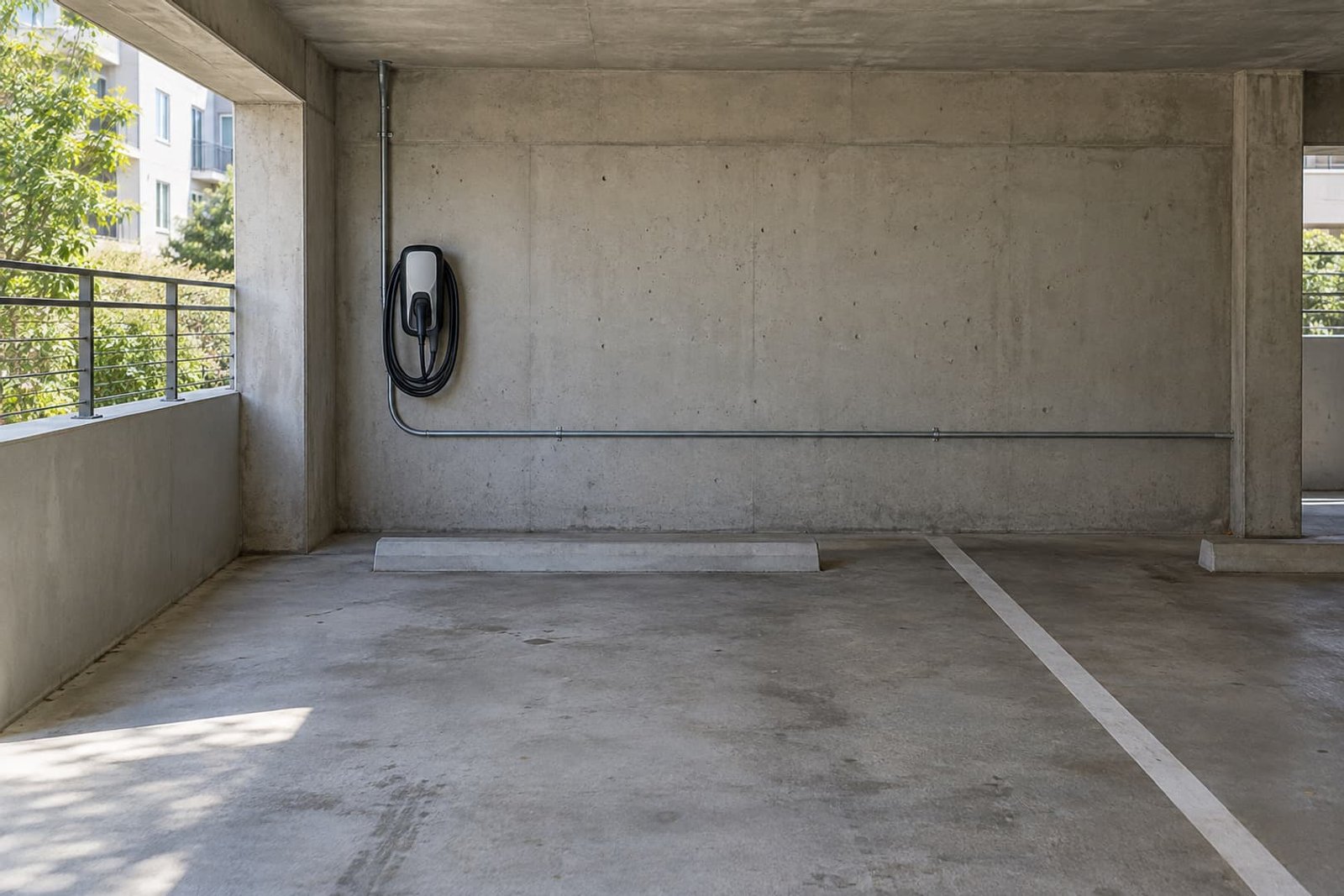
A private garage and a shared parking area raise different questions about routing, supply, permissions and future users. Establish those facts before settling on charger quantity or output.
EV charging options →Keep a service visit from becoming an avoidable shutdown
Describe the pattern
Note when the problem began and whether it follows an appliance, time of day or recent change. Existing photos or error messages are useful; there is no need to recreate a fault for us.
Identify the affected area
We establish which circuit or equipment is involved and discuss any necessary isolation. In shared buildings, a label alone may not be enough to confirm which occupants are supplied.
Agree on the repair boundary
The recommendation should state what was found, the proposed correction and any uncertainty that needs further access. A separate capacity improvement remains a separate decision.
Return the area to service
Testing and a walkthrough address the installed or repaired scope. Where permits apply, inspection requirements remain part of completion rather than being assumed satisfied because equipment turns on.
Plan electrical work around the working day
A replacement appliance can arrive with a different voltage, connection method or load than the unit it replaces. A tenant improvement can move workstations without moving the circuits that support them. Before work begins, match the equipment schedule to the actual supply and the way the business operates.
Tell us about trading hours, delivery access and equipment that needs an orderly shutdown. If another contractor controls refrigeration, network systems or specialized machinery, establish who shuts down and restarts it. Before reopening the area, keep a written record of the electrical changes and tests. Name the person responsible for each outstanding item, especially when several trades are involved.

Four details that can change a South City project
| Detail | Why it matters |
|---|---|
| Locked electrical rooms | Access may require a manager or building representative, including during inspection. |
| Common walls and ceilings | A new route may cross spaces outside the requesting tenant’s control. |
| Multiple planned loads | EV charging, cooking and heating equipment should be assessed against the same supply picture. |
| Finish and operating constraints | Surface routes, selective openings and work hours affect labor and coordination. |
Use South San Francisco’s own permit process
South San Francisco has its own Building Division and online permitting portal. Its guidance distinguishes the building scope from electrical work that may still require a permit. For an address within South San Francisco, use its city process; the City of San Francisco is a different jurisdiction.
We identify the applicable city review and any utility involvement from the proposed work. A permit application, a planned utility interruption and the installation appointment are different steps. Their dates should be coordinated before a business commits to a closure or residents are told when power will return.
Agree on these boundaries before approving the proposal
Existing faults versus new requirements
An old fault found during an installation may need correction, but it should be explained separately. Ask which work is required for the proposed installation and which work is a recommendation for another phase.
Electrical finish versus building finish
Confirm who restores wall openings, paint, ceiling finishes and any affected access panels. Concealed wiring is attractive, but the route and restoration should be part of an informed choice.
Before you request service
Share the address and property use
Include the unit or suite, who occupies it and whether the electrical equipment is in a common area.
Name the immediate concern
Describe loss of power, trips, visible damage or the planned installation. Report smoke, active arcing or an immediate threat to emergency services first and keep clear of affected equipment.
Identify the decision-maker
A tenant, owner or property manager may be the point of contact. Knowing who approves work helps avoid delays after diagnosis.
Questions about hiring an electrician in South San Francisco
Can you help with an electrical problem in a rented South San Francisco unit?
Yes, but tell us about the tenancy and authorization before arranging work. The property owner or manager may need to approve repairs or provide access to shared equipment. We can then define the affected scope and communicate with the appropriate person rather than assuming everything is inside the unit.
Do you handle small commercial jobs, or only large installations?
We can discuss individual repairs, lighting issues and equipment circuits as well as larger electrical projects. Send the business type and the equipment involved. Access, operating hours and the consequences of an interruption matter as much as the apparent size of the fault.
What if the power problem could be on the utility side?
Tell us how much of the property is affected and whether you have already received a utility outage notice. Testing may establish whether the concern is within the property’s electrical system or requires utility attention. Service-related work must be coordinated with the utility; it is not the same as replacing a branch-circuit device.
Can a repair and new EV charging be included in one project?
They can be reviewed together, especially if they involve the same panel. The repair finding and the charging design should remain clearly described. For shared parking, permissions, metering, cable routes and potential future chargers need attention before deciding how the first charger will be supplied.
Arrange electrical service in South San Francisco
Tell us whether the property is a house, shared building or business, what has stopped working, and who can provide access. For planned work, include equipment information and any required shutdown window.