
Electrician in San Jose, CA
Max Electric repairs and installs electrical systems in San Jose homes, rental buildings and businesses. Tell us which spaces need to stay in use during the job. We explain the findings and discuss power interruptions with the people who use and manage the property.
On this page
Start with the property and the people using it
An occupied home
A repair visit starts with the affected circuit and its symptoms. A planned installation adds questions about daily routines, access and future equipment. We discuss interruptions before agreeing on work that affects the household.
Home electrical repairs →An apartment or rental building
A unit complaint can involve shared electrical equipment. Confirm the owner or manager’s authorization, the affected apartments and access arrangements. The work needs to respect both the individual residence and the building’s common systems.
Multifamily electrical services →A shop, office or other business
Tell us what would stop working during a power interruption. Equipment details, operating hours and landlord requirements help us plan the repair around the business’s daily use of the space.
Commercial electrical scope →A remodel or addition
Bring the latest layout and appliance schedule. Outlet positions, switching, equipment connections and inspection stages need to fit the construction sequence, including any parts of the property that remain occupied.
Remodel and ADU wiring →What happened before the power problem matters
A light that flickers only when one appliance starts gives us different information from several rooms losing power together. Note what was operating, which areas were affected and whether the symptom was brief or persistent. If a breaker has already tripped more than once, include that history rather than treating every reset as a separate event.
We use those observations to guide testing. A worn device, damaged connection or circuit fault can resemble a capacity problem. We explain the finding and the repair it calls for. If testing leaves a question unresolved, we discuss the next investigation before recommending more replacement work.
For smoke, fire or an immediate threat, move away and contact emergency services. Do not touch damaged electrical equipment or approach a fallen line. An urgent electrical call is useful for discussing a property fault, but it cannot replace emergency response or utility handling of their equipment.
Replacing equipment and increasing capacity solve different problems
Replace something that has failed
The objective may be to restore a sound connection or replace equipment whose condition makes continued use unsuitable. The existing service size alone does not explain a failure, and a larger breaker is not a repair for an overloaded or damaged circuit.
- Identify the fault and affected wiring
- Select compatible replacement equipment and test the repair
Support a change in how you use power
An EV, a workshop or several electric appliances can change the demand placed on the property. We review the proposed loads, their locations and the existing supply before deciding whether new circuits, distribution changes or a service increase are needed.
- Record the equipment requirements
- Review existing loads
- Include planned additions
- Check the route and any utility work
San Jose’s permit path depends on the work and property type
The City of San Jose offers online permits for qualifying electrical projects, while other scopes require submitted plans. The correct route depends on the project and whether the property is a house, multifamily building or commercial premises. Describing the work accurately at the start helps avoid an application that does not cover the installation.
The city’s electrical guidance identifies SJPermits as a place to manage permit information and inspections. The Permit Card lists the required inspections. Keep equipment instructions and approved documents available, and coordinate wall closure or equipment startup with the applicable inspection stages. A utility service change has its own coordination requirements alongside the city process.
Arrange the work around the point when power must be off
Shutdown planning belongs near the beginning of the conversation, especially where other people use the building.
Confirm the affected equipment
Check whether the job will interrupt one circuit, a panel or the wider service. If the circuit directory is incomplete, it may need checking before we can tell occupants which areas will lose power.
Agree on access and notifications
Identify who opens equipment rooms, who contacts tenants or staff, and what needs advance preparation. Access to the work area and access to the source of power may involve different people.
Coordinate installation and inspection
Set a sequence that includes necessary permit steps, utility arrangements and other trades. An electrician’s work date and the date power can be restored are not automatically the same milestone.
Test and explain the result
The handoff should identify the completed work, any remaining restrictions and relevant equipment information. Clear circuit identification helps the next owner, tenant or technician understand the installation.
Charging, lighting and appliance changes
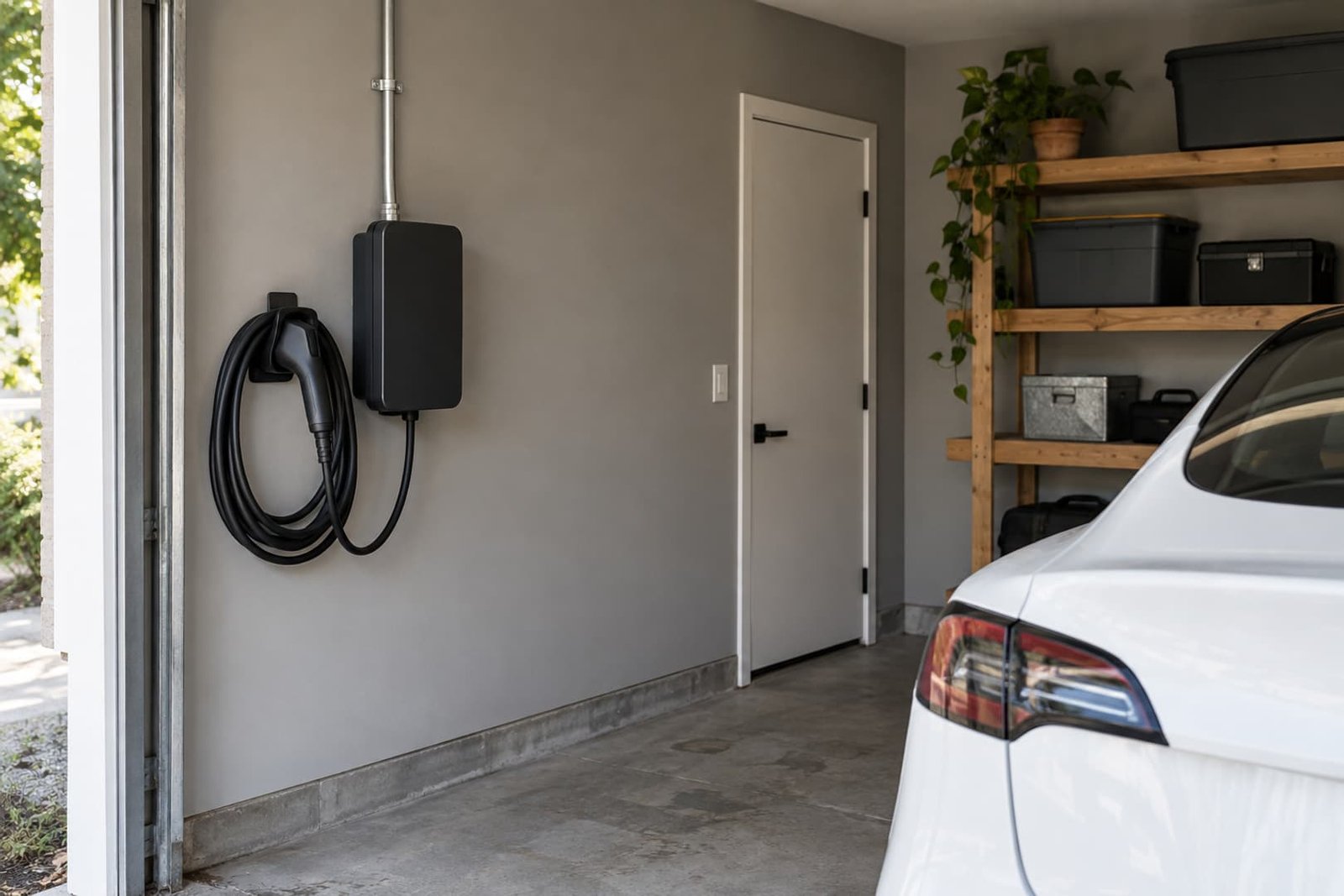
Charging where the car actually parks
Garage layout, cable reach and walking paths shape the installation. Share the vehicle and proposed charger, along with any second-car plans. We can discuss a practical charging arrangement and link it to the broader electrical capacity review before equipment is ordered.
Lighting that fits the room
Work surfaces, glare and the controls you use matter as much as fixture brightness. If walls or ceilings are open, settle the light positions and switching before the finishes go back. That gives the wiring installer the locations needed for the job.
Circuits for selected appliances
Use the specifications and installation location when planning a range, dryer or other appliance circuit. We check the connection and wiring route; the appearance of an existing plug or receptacle is not enough. Agree which connections the appliance installer will make and which belong to the electrical work.
What to include when comparing San Jose electrical quotes
A defined installation
Compare the equipment, circuit destinations, route and finish expectations. One estimate may include a new run while another assumes existing wiring can be reused.
Permits, access and other trades
Ask how permits, utility involvement, tenant access and other trades affect the work. Identify which arrangements are included and who is responsible for the rest.
A clear change process
Concealed conditions sometimes change the available options. Agree how findings will be explained and additional work authorized before the project reaches that point.
Questions about hiring an electrician in San Jose
Can a San Jose electrical job use an online permit?
Some can. The city’s eligibility depends on the type of electrical work and the property. More involved scopes require plans and review. We establish the proposed work before discussing the application route, rather than assuming that every panel, charging or wiring project qualifies for the same process.
Should I replace my panel before buying electric appliances?
Start with a load and equipment review. A new appliance does not automatically require a service upgrade, but the existing panel’s condition, available capacity and the full equipment plan matter. Bring model information for the appliances you expect to install so the recommendation is based on real requirements.
Can you work with a property manager instead of the tenant?
Yes. The manager can authorize work and arrange entry to units and shared equipment rooms. We still need the occupant’s description of the problem and where it happens. For larger jobs, decide who will notify occupants about interruptions and approve additional work if testing uncovers another problem.
Do you need to open walls for new wiring?
It depends on the route and existing access. Attics, crawl spaces and accessible equipment areas can offer options, but some installations require openings. We discuss the proposed route, likely access points and who handles patching or painting before the installation scope is finalized.
How should I request urgent electrical help?
Call with the address, the affected areas and the symptoms so current availability can be discussed. If there is smoke, fire, a fallen line or an immediate danger, keep away and contact emergency services or the utility as appropriate. Do not wait for a web-form reply in a dangerous situation.
Describe your San Jose electrical project
Include the address, property type and the work you need. For a business or shared building, tell us who can authorize the job and arrange access to the electrical equipment.