
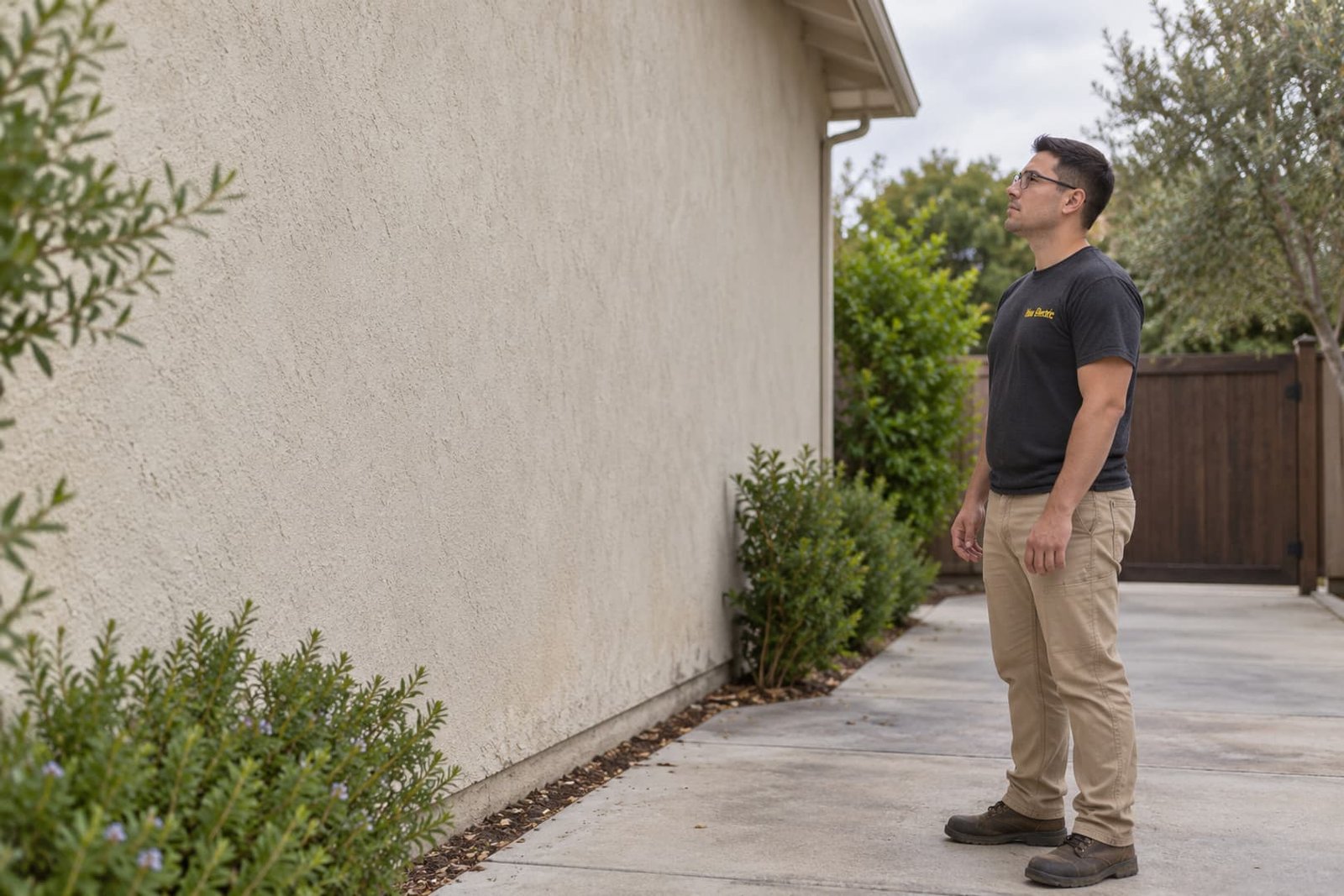
Electrician in Piedmont, CA
Max Electric provides electrical repairs and installation in the City of Piedmont. If you are adding a charger or changing household appliances, we assess the supply before recommending upgrades. For a repair, we investigate the fault and explain what needs to change.
On this page
In Piedmont, panel location can affect the approval path
Piedmont’s electrical permit guidance connects main-panel work with design review as well as electrical documentation. Its published exemption has conditions on location and appearance; a proposed installation that does not meet them requires design review. Check the location before ordering equipment or assuming a like-for-like replacement has no planning implications.
The city’s main-panel application requirements include a load calculation for future electrification, a plan showing existing and proposed panel locations, and a photo of the existing panel. We use the current city checklist when defining the electrical scope. Utility access and service arrangements are another part of the design, not a substitute for the city’s review.
This page serves properties in the City of Piedmont. Piedmont Avenue and Piedmont Pines are Oakland locations, so a familiar place name does not by itself establish the permitting authority.
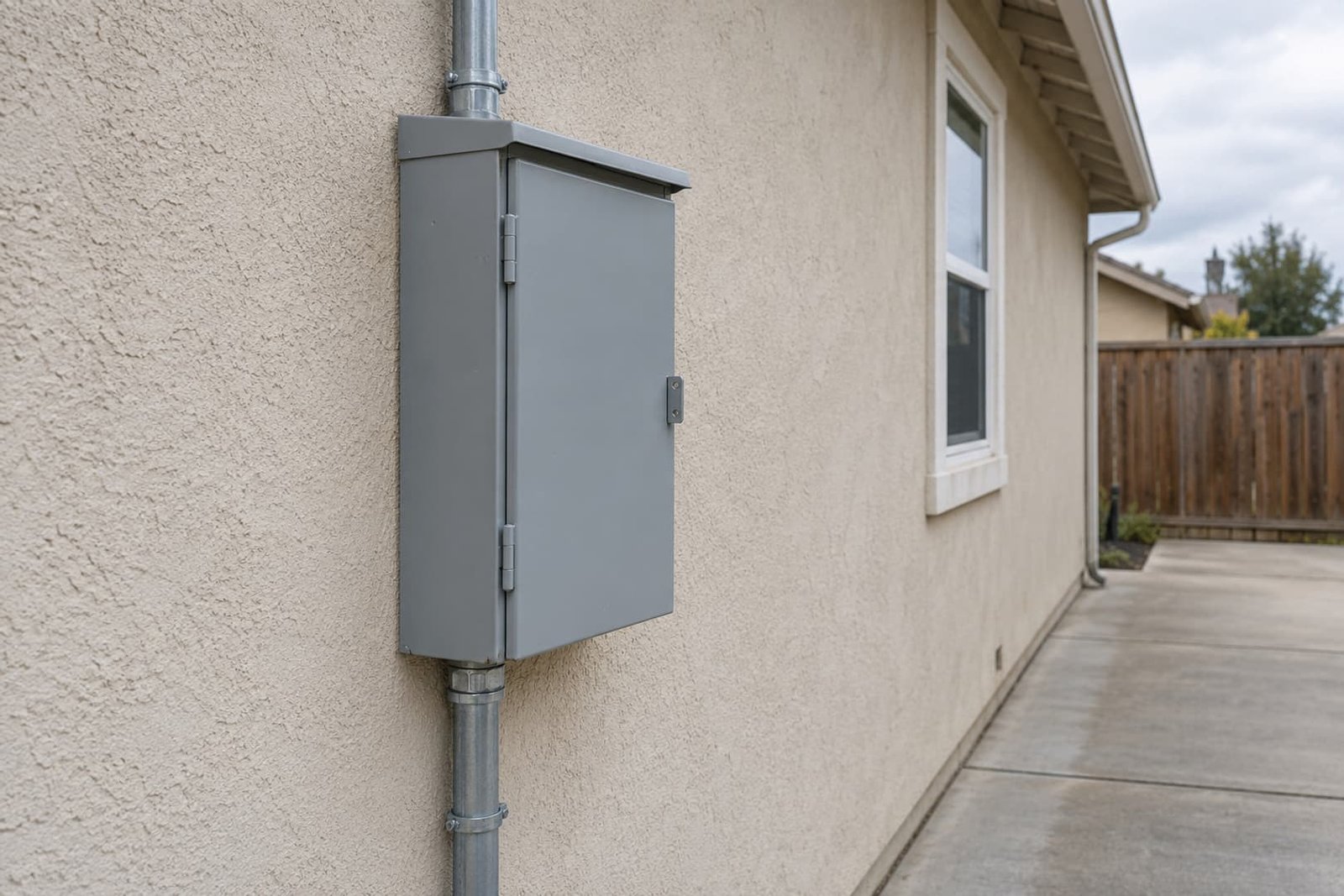
Choose capacity around equipment, not a standard package
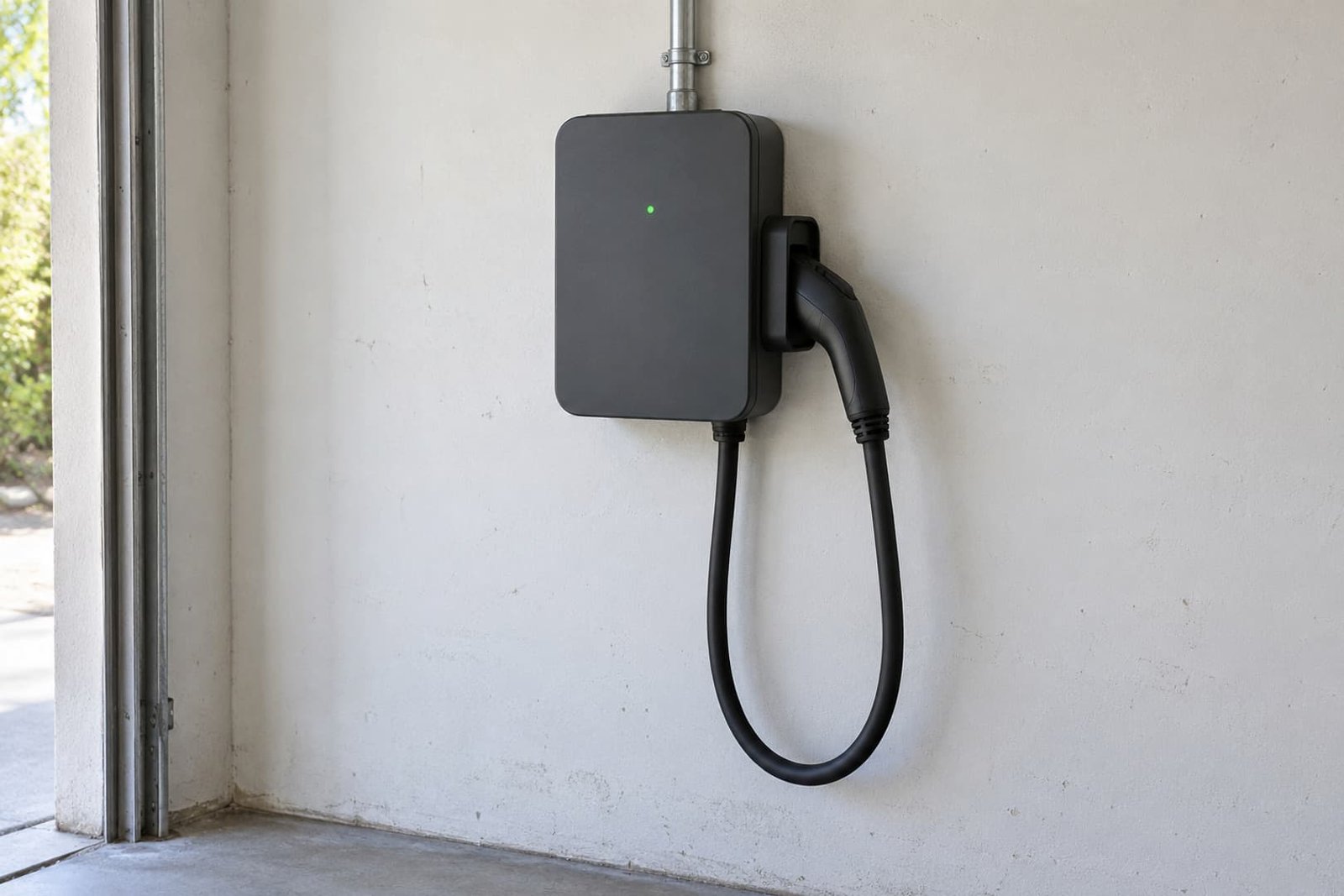
The work needed now
List the equipment already in use and the addition that prompted the call. We assess the relevant panel condition, circuit arrangement and supply. A sound panel with a specific circuit problem calls for a different response from damaged equipment or a service that cannot support the proposed design.
The changes you expect later
Tell us about plans for electric cooking, water heating, space conditioning or another vehicle. Model specifications matter when available. A plan can account for those loads without pretending every future purchase is settled. We distinguish an allowance or reserved route from a circuit that is designed and installed for known equipment.
- A spare breaker position is not a load calculation.
- A subpanel creates distribution space, not more utility capacity.
- A smart panel’s controls do not repair damaged wiring.
- Any load-management option must fit the equipment and proposed installation.
Electrical service beyond the panel
Troubleshooting and repairs
We investigate failed receptacles, lighting problems and repeated trips. Tell us when the fault occurs and which areas are affected. The repair recommendation should follow testing, not a guess about the age of the house.
Electrical repair services →Panel replacement and upgrades
We assess condition, capacity and location together, then define any utility and city dependencies. The proposal should distinguish replacing distribution equipment from changing the service that supplies it.
Panel work explained →EV charger installation
Charging needs, parking and cable reach shape the installation. We assess the route from the supply and include other planned electrical equipment in the capacity discussion.
Home charging installation →House wiring and circuit changes
A remodel or fault may expose uncertainty about retained wiring. We can assess the affected installation and explain targeted replacement or wider rewiring, with access and restoration addressed in the scope.
House rewiring scope →Remodels and new living space
Room layouts and appliance requirements should guide rough wiring. We coordinate electrical work with the builder’s plans, including additions and accessory dwelling units where applicable.
ADU and remodel electrical work →A new panel does not describe the wiring inside the walls
A panel project has a defined boundary. It can replace distribution equipment without replacing every branch circuit, and it does not certify all concealed wiring in the house. If old labels, previous alterations or unexplained faults raise questions, identify those concerns before the proposal is finalized.
Where a remodel opens a room, it may be practical to address affected wiring while access is available. That does not mean every room needs to be opened. We discuss what the work touches, what can be assessed and which parts remain outside the scope. If testing or accessible inspection reveals a problem elsewhere, we explain the finding and the additional investigation it may require.
For finished spaces, ask about the likely route and openings. Concealing new wiring can involve more work than mounting the device itself. Responsibility for patching, paint and specialty finishes should be explicit, particularly when an electrician is only one of several contractors on the project.

Keep a usable record of the project
The documents should help the next person understand what changed, not just show that a visit happened.
Before the work
Gather the equipment specifications, available plans and the description of the intended work. For panel changes, record the existing and proposed locations. Keep the agreed scope alongside the estimate so optional work and required corrections remain distinct.
When the scope changes
If concealed conditions or a revised appliance choice affects the design, record the decision before the work proceeds. Confirm whether drawings, approvals or the installation sequence need to change too. A verbal layout change can have consequences beyond one device.
At completion
Keep relevant permit and inspection records, installed product details and understandable circuit identification. Walk through controls and charging equipment with the installer. Any remaining work should have a specific description rather than being lost in a general completion message.
Plan interruptions around the people using the property
A home that remains occupied
Tell us about home-office hours, mobility needs and equipment that depends on continuous power. We discuss the areas affected and the expected sequence before scheduling the work. Do not assume that installing a panel is an uninterrupted swap; the supply arrangements and approvals influence the plan.
A managed property or business
Identify the owner or manager who authorizes work, provides access and notifies occupants. A circuit may cross tenancy boundaries or serve shared equipment. We need those relationships understood before an interruption is arranged, and any work outside the agreed area should be approved separately.
Questions about hiring an electrician in Piedmont
Does a Piedmont electrical panel replacement require design review?
The city’s guidance provides a design-review exemption with specific location and appearance conditions. If the proposed installation does not meet those conditions, design review is required. We check the current requirements and proposed location rather than assuming every replacement follows the same approval path.
Should I plan for electric appliances even if I am only replacing the panel?
Yes, share the likely future loads. Piedmont’s published main-panel checklist calls for a load calculation for future electrification. The design still needs realistic equipment assumptions, and reserved capacity should not be confused with installing every future appliance circuit now.
Can a smart panel avoid a service upgrade?
That depends on the existing supply, equipment condition, demand and the functions of the proposed system. Controls may help with an appropriate load-management design, but they do not create unlimited capacity or correct unsafe wiring. We compare the actual options before making a recommendation.
Do you serve Piedmont Avenue as part of this city service?
Max Electric also serves Oakland, but Piedmont Avenue is not the City of Piedmont. Give us the actual project address so the scope, permitting authority and scheduling are based on the property rather than a similar place name.
Plan electrical work at your Piedmont address
What do you need now, and what might you add later? Send the address and describe both. For panel work, photos of the closed equipment and the surrounding area can help; do not open a cover to take them.