

Electrician in Foster City, CA
A charger and new kitchen appliances can draw on the same household electrical capacity. Max Electric helps Foster City property owners resolve electrical faults and plan improvements, taking the existing supply, installation route and any shared-property approvals into account.
On this page
One new appliance, or several changes over time?
Which appliances will run together? That matters more than a list of items you might install someday.
Solve the immediate need
If one appliance needs its own supply, we check its requirements and the existing circuit arrangement. A practical proposal identifies the connection, the route and any necessary correction to the current installation.
- Bring the manufacturer’s electrical specifications.
- Confirm the appliance’s final location.
- Identify access behind cabinets or through the garage.
Plan a sequence of upgrades
If charging, electric cooking and a heat pump are all under consideration, assess them together before deciding on panel work. You may still install in phases, but the first phase should not block a sensible route for the next.
- Separate confirmed purchases from possible future equipment.
- Compare the combined demand and available supply.
- Agree on what is installed now and what is only prepared for later.
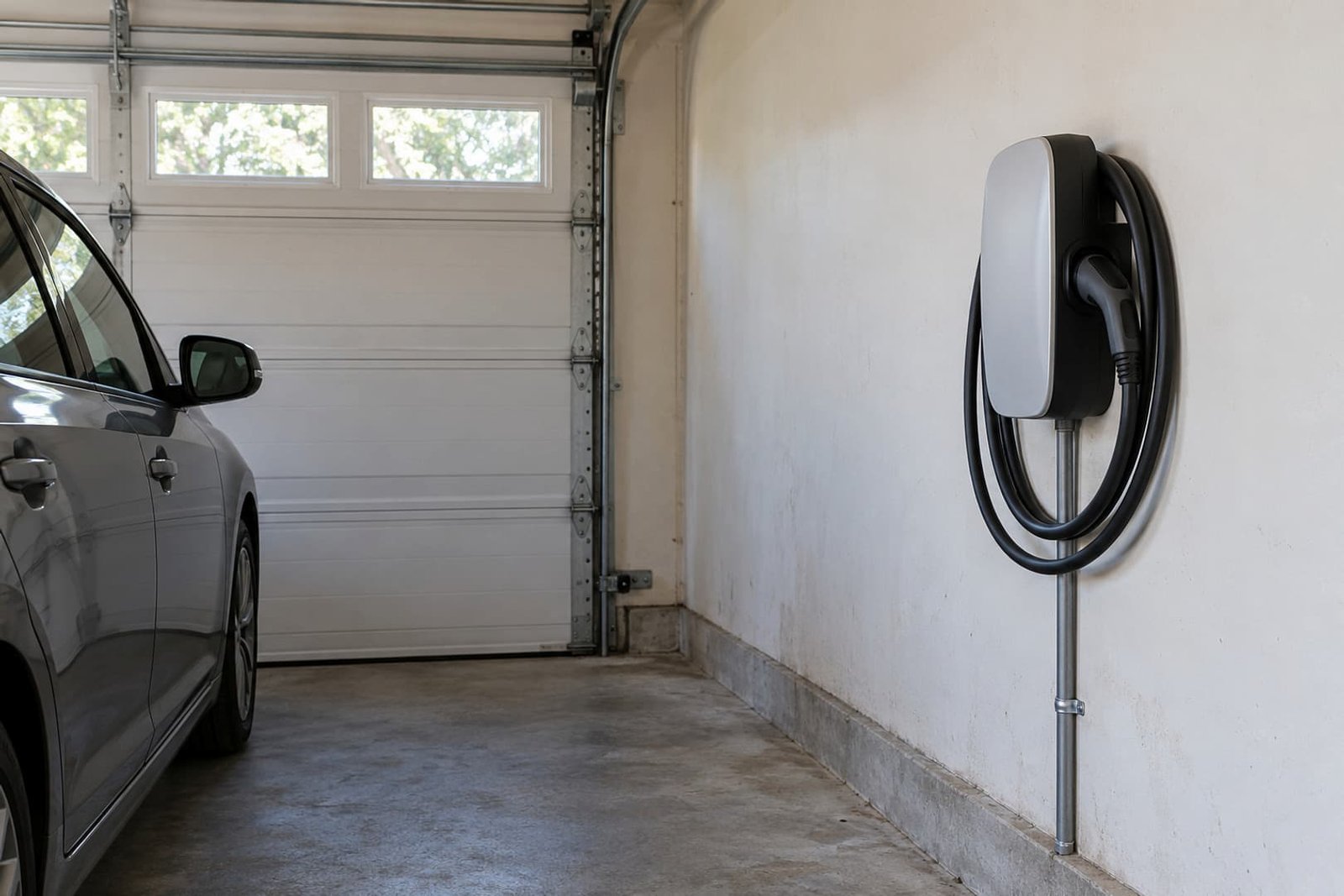
The parking space helps determine the charging installation
Start with where the vehicle actually parks and where its charge port sits. A convenient mounting point on an empty wall may put the cable across a walking route or leave it stretched when the car is parked normally. We review the everyday arrangement before choosing a circuit path and charger location.
In a shared garage, the nearest panel may supply common areas rather than your unit. The source of power, permission to use it and responsibility for ongoing electricity costs need to be settled with the owner or association. A charger quotation should not assume those decisions have already been made.
Charging output also needs to fit the available electrical capacity and the time the vehicle is parked. More output is not automatically more useful. Where an appropriate listed load-management system is an option, we assess its compatibility and operating limits instead of presenting it as a universal substitute for service work.
Electrical help beyond the next upgrade
Restore unreliable circuits
Intermittent outlets, nuisance tripping and uneven lighting need a diagnosis that follows the symptom. We review the circuit and connected equipment, then describe the repair rather than assume the visible device is the only issue.
Repairs and troubleshooting →Review the panel
Damage, compatibility, capacity and usable circuit space are separate questions. We explain whether the project calls for a targeted correction, a panel replacement or work affecting the utility service.
Panel work and upgrades →Wire a remodel
Kitchen and bathroom layouts should settle before the wiring is concealed. We coordinate appliance connections, lighting controls and receptacle positions with the builder so the electrical work fits the finished room.
Remodel electrical planning →Work across a managed property
A unit repair and a common-area improvement need different permissions and access. We work with the responsible contact to define the area supplied and arrange the interruption without assuming one resident can approve building-wide changes.
Multifamily electrical services →City requirements and association approval are separate steps
Foster City’s Building Division publishes distinct resources for main-panel upgrades, residential load calculations and EV charging submissions. Its forms include an EV three-line diagram and remodel templates. These resources help define the information needed for a project; they are not a reason to assume every charger or panel job follows an identical review.
An HOA may control the appearance of exterior work or the route through a common wall or garage. We help describe the proposed electrical work so the property contact can review it, while checking the city’s current requirements for the actual scope. Association approval does not replace a city permit, and a city permit does not settle who may use a shared electrical supply.
Before an outage or construction visit is booked, the schedule should account for any required utility work and inspections. If the route changes after review, raise the change with the project team rather than leaving the drawings and installed work out of step.
Garages and outdoor areas deserve their own assessment
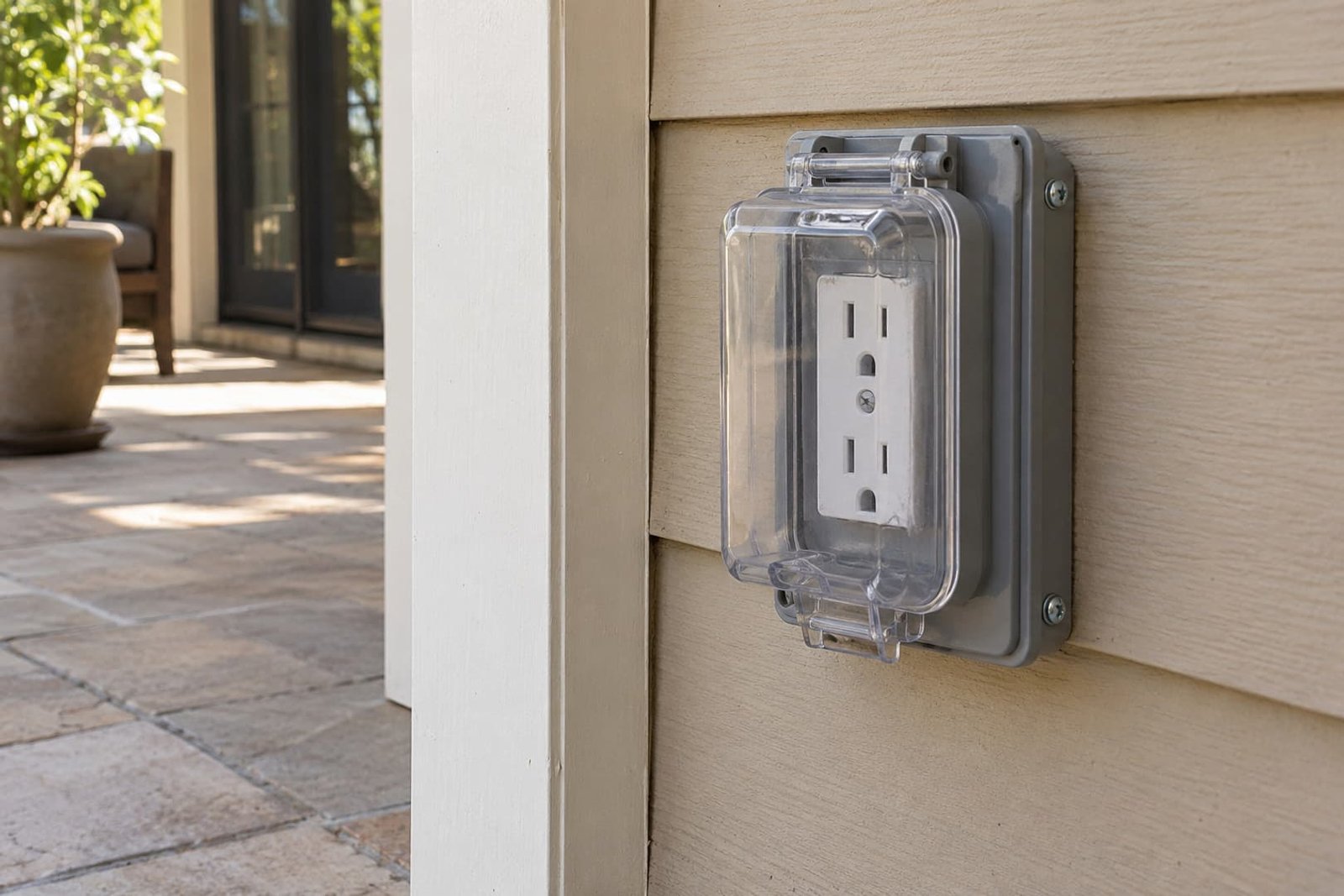
Weather-exposed outlets and lights
An outdoor device needs an enclosure and installation suitable for its location. If a cover is broken or there are signs of water entry or corrosion, we look at the surrounding installation rather than simply replace the faceplate. Do not operate damaged equipment to demonstrate the fault.
Storage around electrical equipment
Tell us how the garage is used. Cabinets, shelving and stored items can obstruct service access or force an awkward cable route. We review the working area with the equipment closed and agree on the access needed for testing or installation.
A detached work area or garden structure
Distance alone does not define the job. The wiring path, existing supply and proposed uses affect the design. Trenching, finished paving and work performed by other trades should be identified in the proposal, rather than discovered after the electrical installation is priced.
Know what you are approving at each stage
Assessment
We establish the affected circuits or proposed loads and note access limits. Photos can start the discussion, but an on-site review may be needed to confirm the supply and installation route.
A defined proposal
The scope should state the equipment, wiring path and included work, with permit responsibilities and finish restoration clear. Ask about any assumption that depends on opening a wall or accessing a locked service room.
Installation and testing
We confirm the required approvals and agree on interruptions before beginning the affected work. At completion, we test the installed equipment and review its operation with the owner or designated property contact.
Useful records
Keep the circuit identification, equipment information and applicable completion records. If more appliances will be added later, retain the description of what this phase did and did not prepare for.

Questions about hiring an electrician in Foster City
Can you install a charger in my Foster City condo garage?
We can assess the parking location, available supply and route. Share the association’s requirements and the contact who can authorize work in common areas. The proposal needs to identify where the electricity comes from and how the installation affects the building before a charger model is finalized.
Should I upgrade the panel before choosing electric appliances?
Share the proposed appliance models or electrical specifications before deciding on a panel upgrade. A panel recommendation based on an unspecified future wish list can be too broad or miss an important load. We can compare confirmed equipment with the existing installation and discuss later phases separately.
Can you repair a tripping kitchen circuit without remodeling the room?
Often the fault can be investigated as a repair visit without a larger renovation. The findings determine whether a device, appliance, wiring problem or circuit arrangement needs attention. We will explain any access required and distinguish the necessary correction from optional improvements.
Does Max Electric handle electrical work for Foster City businesses?
Yes. We can discuss repairs, equipment circuits and improvements with the owner or authorized manager. Describe the equipment involved, operating hours and access to the electrical rooms. Work that affects other occupants needs a coordinated interruption rather than an assumed quiet period.
Can you give a firm quote from a picture of the panel?
A clear photo with the cover closed can help identify visible equipment and prepare for the visit. It cannot verify concealed wiring, available capacity or the complete route to a new load. We explain which details can be priced from the information supplied and which need inspection first.
Plan the next change to your Foster City property
Tell us what is changing and whether the property is a house, condo or managed building. Include appliance models, the parking location and the HOA or manager’s requirements if you have them.