

Electrician in Cupertino, CA
Max Electric repairs and installs electrical systems for Cupertino homes and businesses. Along with troubleshooting, lighting and panel work, we plan circuits for new appliances and EV charging. Bring us the equipment specifications and room plans before installation so we can work through the electrical requirements together.
On this page
Before the appliance arrives, settle the electrical details
A delivery date can create pressure to make an existing outlet work. Reviewing the installation before ordering gives you time to choose a route and address any capacity or permit requirements.
Confirm the exact model
Similar-looking appliances can have different supply and connection requirements. Send the manufacturer’s specifications, including any change in model made after the original quote, so the electrical scope follows the equipment you will use.
Choose the practical location
Where will the cooktop sit within the cabinets? Will the charger reach the vehicle where you normally park? We check that the preferred location leaves enough usable space and that we can run wiring to it.
Review the other planned loads
If a heat pump or second electric vehicle is coming later, mention it now. It may influence the distribution plan or route even when the current installation remains a smaller first phase.
Identify the construction handoffs
Cabinet changes, wall openings and exterior restoration may involve other trades. The proposal should say who is responsible for each part and when the electrical work needs access.

Electrical repairs and installations
Electrical repairs
We investigate failed devices, recurring trips and partial loss of power. The assessment looks at the associated circuit so the recommendation addresses the cause rather than just the visible symptom.
Repair and diagnosis →Appliance supplies
Dedicated circuits are planned for the selected equipment, its location and the existing distribution system. A new receptacle alone does not establish that the circuit is suitable for a larger load.
Dedicated appliance circuits →EV charger installation
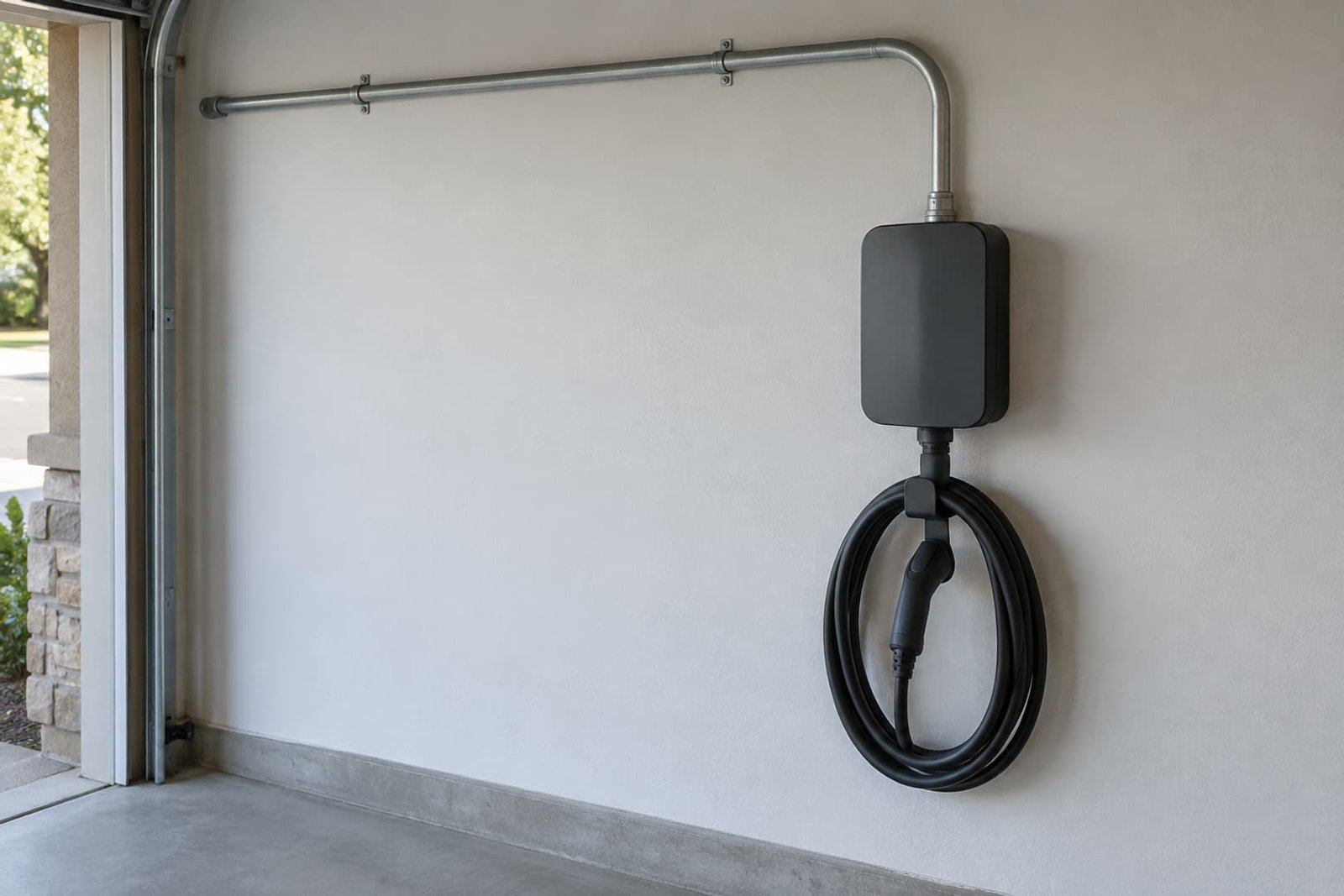
We review charging needs, available capacity and the route to the parking area. The chosen output should support normal driving without assuming the highest possible setting is necessary.
EV charging work →Panels and distribution
A panel recommendation considers condition, components, space and planned loads. The scope identifies whether replacement also involves an incoming service change or other utility work.
Panel replacement service →Remodel wiring
We coordinate circuits and lighting with room layouts and construction timing. Reviewing retained wiring before finishes are installed helps define the work and avoid late changes.
Remodel and addition wiring →Cupertino’s online permit options have eligibility conditions
Cupertino lists an instant-permit route for certain residential panel upgrades in the same location without an HOA, and separate conditions for EV charging installations. We check the current criteria against the address and complete scope instead of assuming an online category applies to every project.
The city’s property information and permit resources can also help establish jurisdiction and earlier approved work. A mailing address or an old drawing is not enough by itself to choose the authority or confirm the present installation. Where broader review is needed, that is included in the project plan.
Small decisions that can prevent a second round of work
| Decision | Resolve it before | What it affects |
|---|---|---|
| Final appliance model | Circuit installation | Supply, connection method and equipment compatibility |
| Lighting and dimmer combination | Fixture purchase and finish work | Dimming behavior, controls and box requirements |
| Charger position | Routing the supply | Cable reach, parking use and installation access |
| Concealed or surface wiring | Approving the estimate | Labor, visible finish and restoration scope |
| Future room or appliance changes | Selecting distribution equipment | Space and a workable route for later phases |
Not every future idea needs to be built now. It does need to be distinguished from the equipment already selected for the current scope.
Make the room work as well as the circuit
Lighting and controls
Tell us where you work in the room, where you notice glare and how you want to switch the lights. We check fixture and dimmer compatibility, then plan their installation around the room. Share product selections before the finish stage.
Outlets and everyday equipment
A desk, exercise area or workshop can change where power is needed. We assess the intended equipment and the supplying circuit before adding outlets, and discuss routes that avoid unnecessary disruption to finished walls or built-in furniture.
For business premises, check the equipment before arranging the shutdown
A commercial installation starts with the equipment requirements and the building’s existing supply. We also need to know which operations are affected by an interruption and who can approve changes to the premises. A tenant’s equipment purchase and a landlord’s electrical responsibilities may be separate parts of the project.
For maintenance or a fault, send a short issue list with the affected area, when the problem occurs and any recent changes. We agree on access and which equipment to examine. That keeps the requested repair separate from a building-wide inspection.
How the plan becomes finished electrical work
Assess and specify
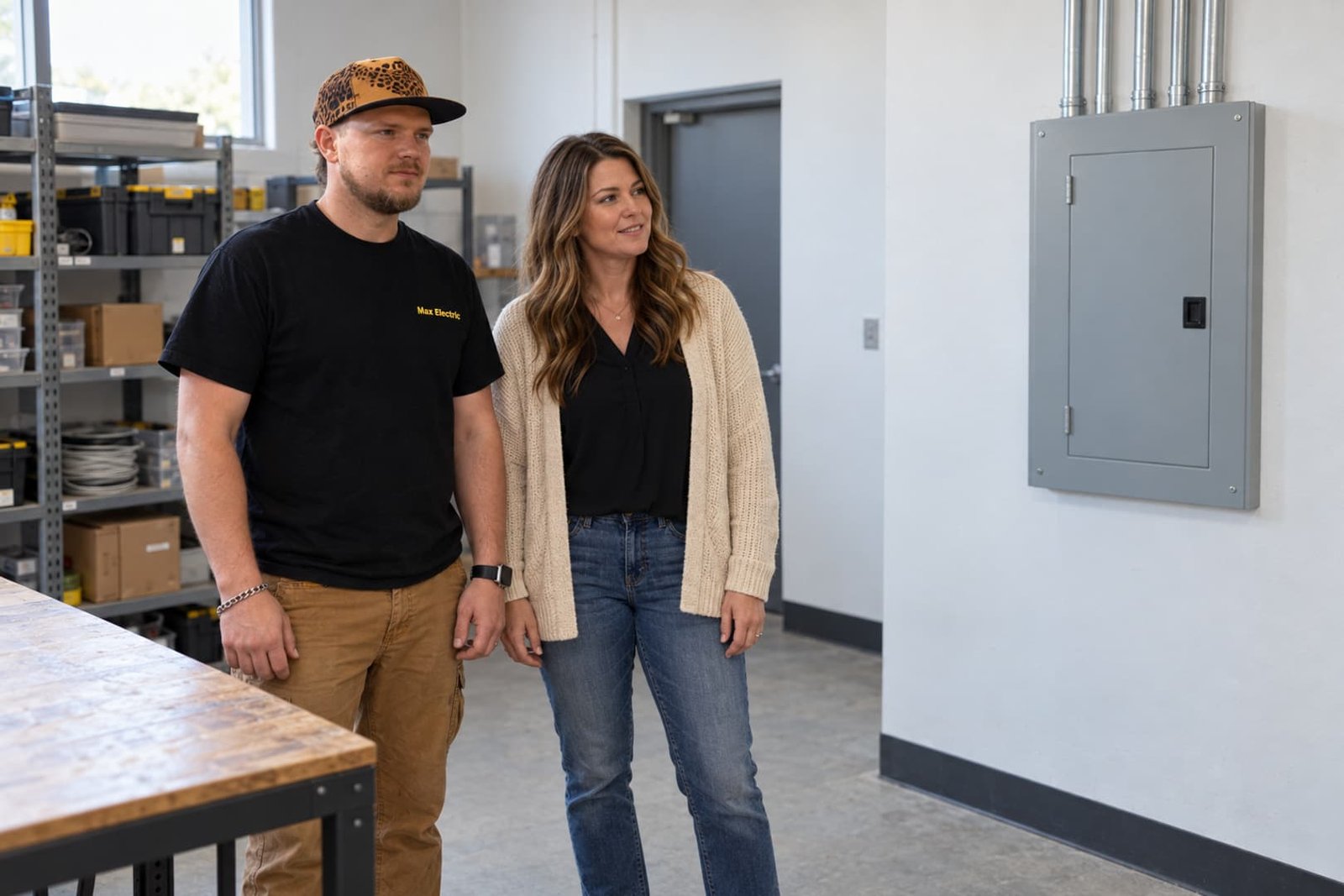
We review accessible equipment, proposed loads and routing options. The estimate explains the installation and the assumptions that still depend on access or final product selection.
Coordinate and install
Permit requirements, utility dependencies and other trades are addressed before the relevant work begins. Any shutdown or opening of finished surfaces is discussed as part of the agreed sequence.
Test and hand over
We check the completed work, identify affected circuits and explain new equipment operation. Required inspection steps and any separately recommended work are made clear at handoff.
Questions about hiring an electrician in Cupertino
Can I use an existing outlet for a new electric appliance?
That depends on the appliance requirements and the circuit supplying the outlet. The receptacle’s appearance does not establish capacity or suitability. Share the exact model so we can assess the supply, connection and route before the appliance is delivered or installed.
Are all Cupertino panel upgrades eligible for an instant permit?
No. The city’s published route includes conditions such as residential use, the same panel location and no HOA. We check the current criteria and the full project scope. Relocation or additional work may require another application process, even if part of the job is a panel replacement.
Can you help choose between visible conduit and concealed wiring?
Yes. We explain feasible routes, the access each needs and how they affect the finished appearance. Concealed wiring can require openings and restoration; surface conduit may be more practical in some areas. The decision should be made with the scope and finish expectations in view.
Will a higher-output charger make my installation better?
Only if its output serves a real need and the electrical system can support the installation. Daily driving, the vehicle’s charging capability and parking time all matter. We review those factors alongside capacity and possible control options before recommending the electrical scope.
Tell us about your Cupertino installation or repair
Share the address, the issue or proposed equipment, and where it will go. Include model numbers and room plans if you have them. Tell us about an HOA or existing permit before we arrange the assessment.