


Electrical inspection
Know what’s safe, what needs attention, and what can wait
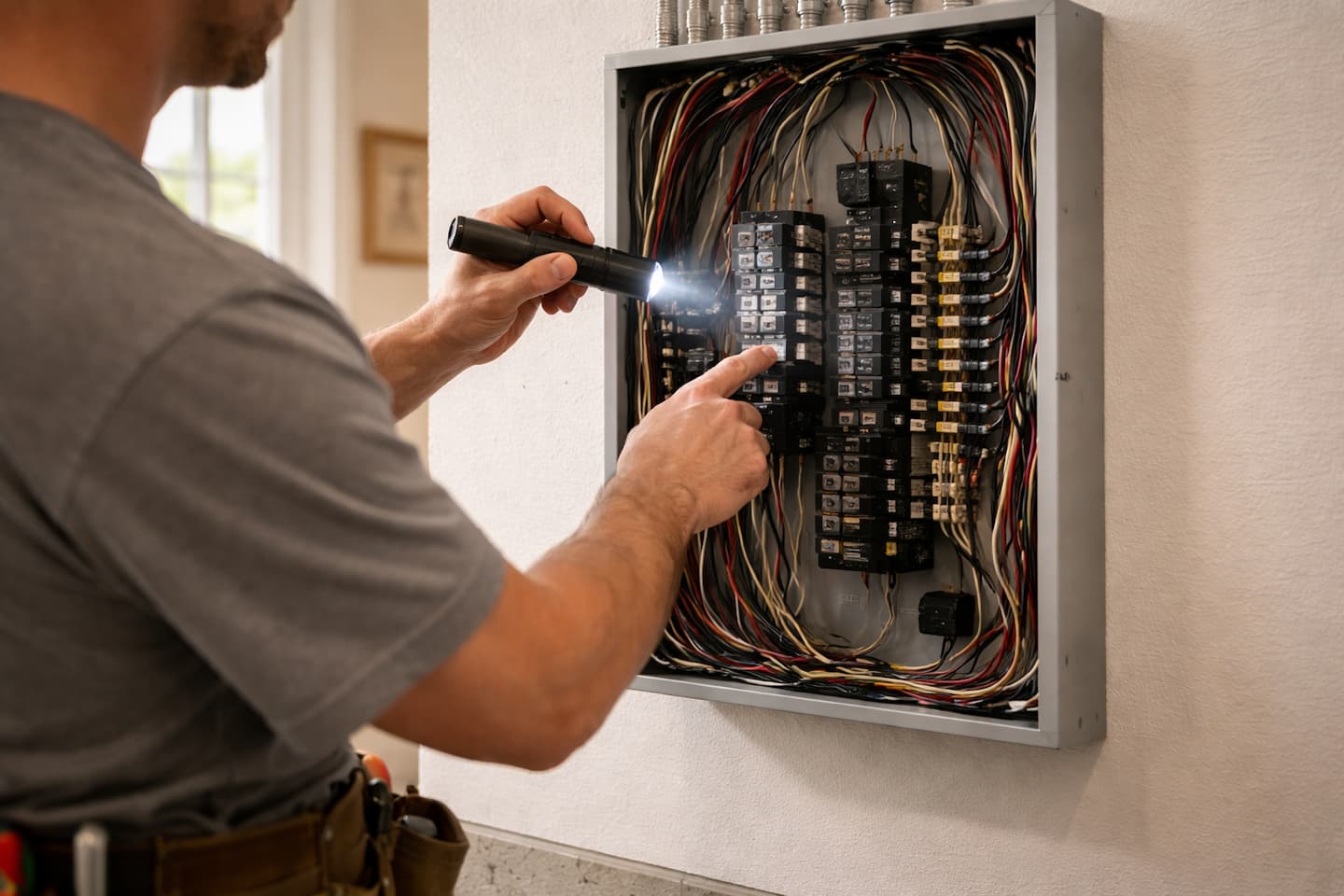
A good electrical inspection isn’t about vague checklists—it’s about clarity. We review the parts of your electrical system that most often lead to problems: the panel and breakers, common connection points, outlets and safety devices, and visible wiring concerns. The goal is simple: identify hazards early and give you a clean, prioritized path forward.
San Francisco homes can be unique—older construction, renovations done in phases, and occasional “DIY fixes” hiding in plain sight. We approach the visit like a safety audit: we explain what we see, why it matters, and what options make sense for your home, condo, or rental.
When to schedule
Common reasons homeowners request an inspection
Some inspections are planned (real estate, remodels, rental turnover). Others are triggered by symptoms like tripping breakers or warm outlets. Either way, the goal is the same: reduce risk and make decisions with confidence.
Buying or selling a property
Get a clear picture of safety issues and likely repair scope before negotiations or closing.
Real estateRemodels or new circuits
Confirm the system can support upgrades and identify items that may affect the project path.
PlanningBreakers that trip often
Repeated trips can point to overload, faults, or loose connections that need attention.
TroubleshootingWarm outlets or odd smells
These can be early warning signs. A prompt safety check helps prevent escalation.
Safety firstOlder wiring or aging panels
SF homes often have layered updates. We look for risky splices, damage, and improper protection.
Condition checkLandlord or insurance requests
Useful for documenting safety concerns and addressing common compliance-sensitive items.
DocumentationAdding major electrical loads
Before new equipment is installed, confirm capacity and protection are appropriate.
Load readinessRoutine safety review
A periodic inspection helps catch small issues before they become costly repairs.
PreventativeWhat’s included
A safety-first checklist that focuses on the highest-risk areas
Every home is different, so the exact scope can vary. These are the core items we review in most residential inspections, along with targeted testing where it’s appropriate.
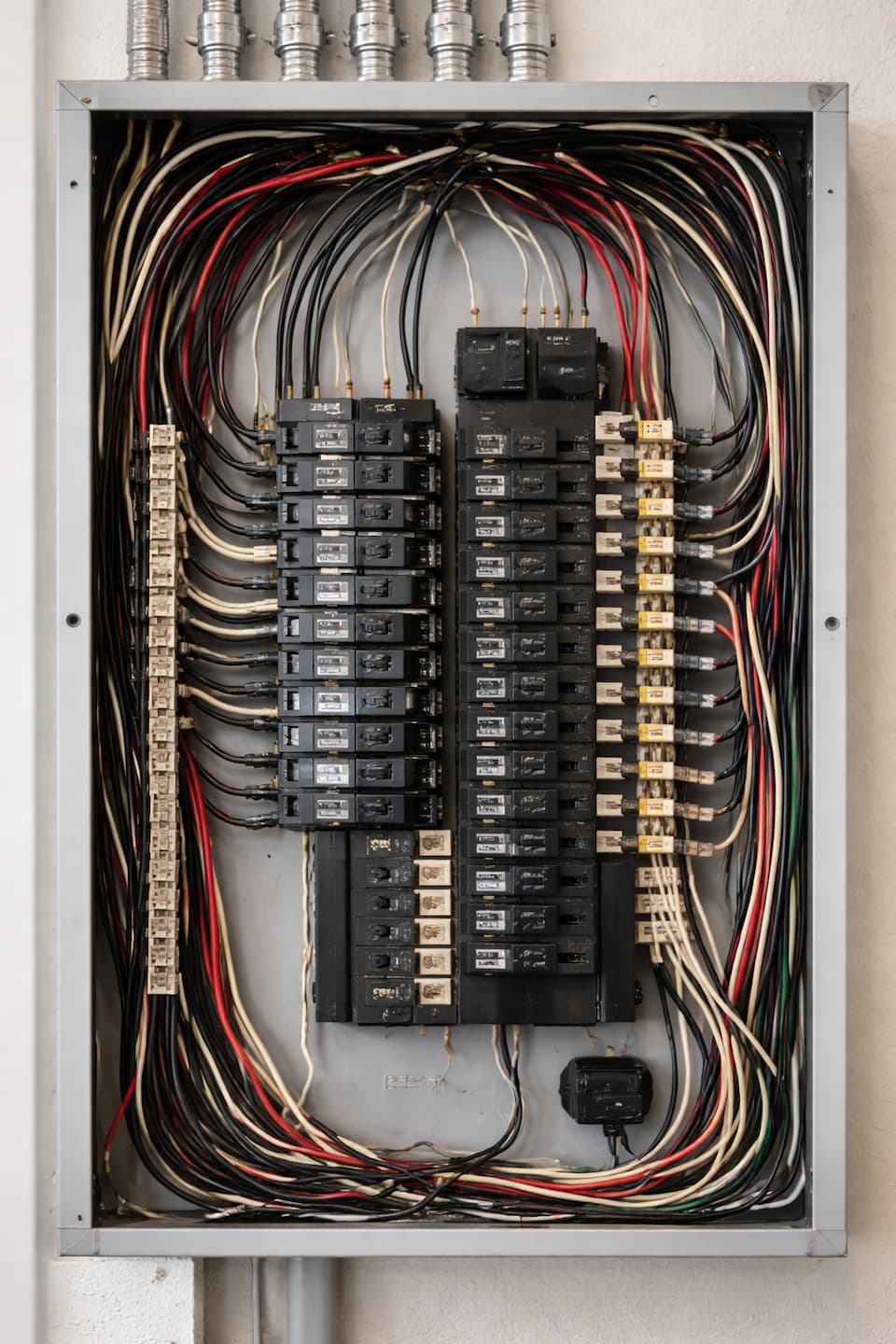
- Panel and breaker protection General condition, signs of overheating, breaker fitment, and issues that commonly lead to nuisance trips or unsafe operation.
- Connections and accessible junctions Loose terminations, improper splices, open junctions, and other defects that can create heat and intermittent faults.
- Outlets, switches, and common safety devices Damaged devices, poor contact, and GFCI checks in areas where protection is typically needed (kitchens, baths, garage, exterior).
- Visible wiring concerns Wear, heat exposure, moisture impact, and “quick fixes” that often show up in older or frequently renovated homes.
- Load readiness and everyday use patterns We flag warning signs of overload and discuss what changes are realistic if you’re adding new equipment or circuits.
Clear priorities
We separate urgent hazards from improvements—so you can plan without guesswork.
Code-sensitive notes
We point out items that commonly matter for projects and inspections, without overpromising outcomes.
Practical options
If fixes are needed, we explain repair paths and what each one accomplishes.
What to expect
How an electrical inspection appointment typically goes
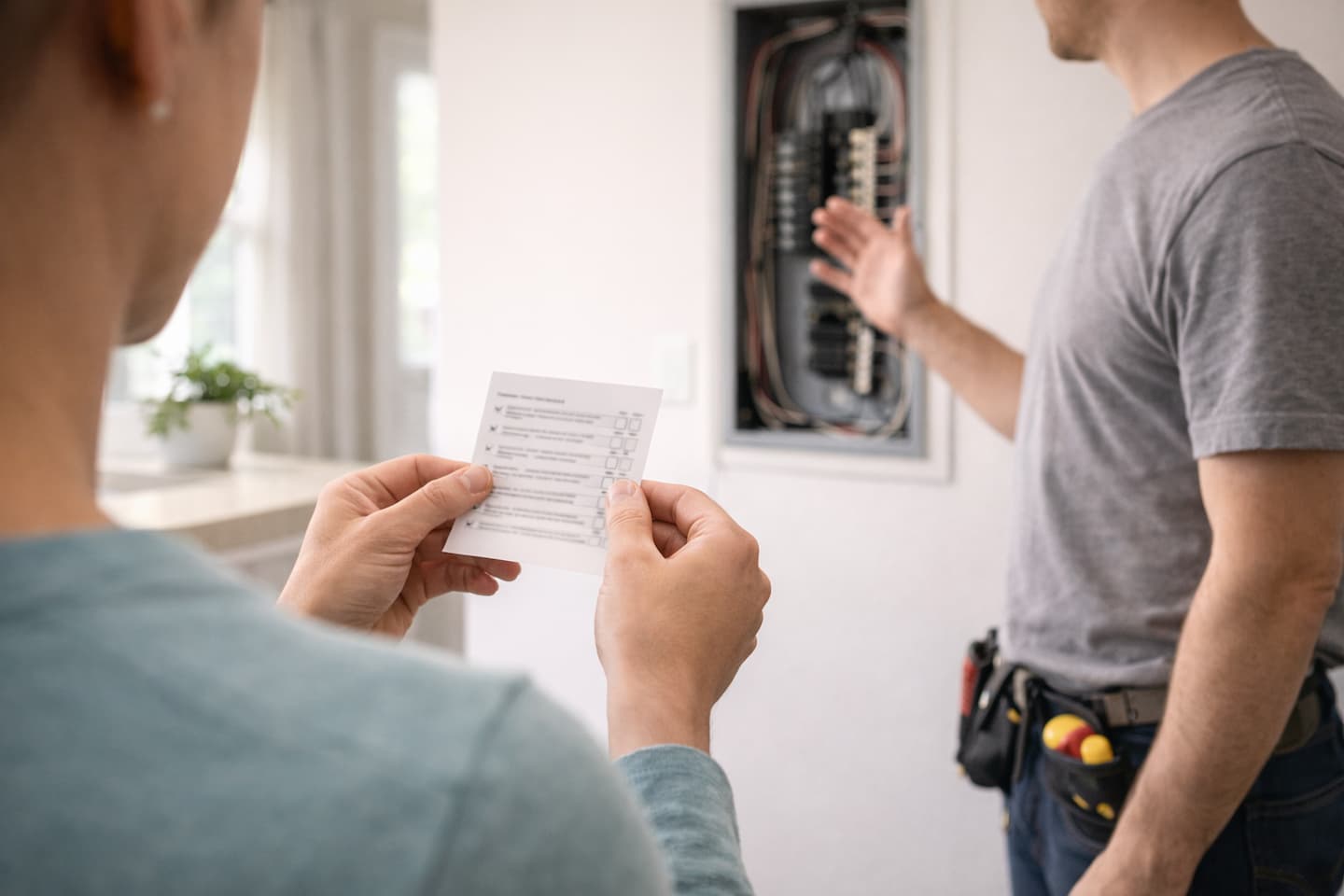
We keep the visit structured and easy to follow. You’ll see what we’re looking at, what it means, and how serious each issue is. The end result is clarity—especially helpful if you’re planning repairs, preparing for a remodel, or documenting findings for a property decision.
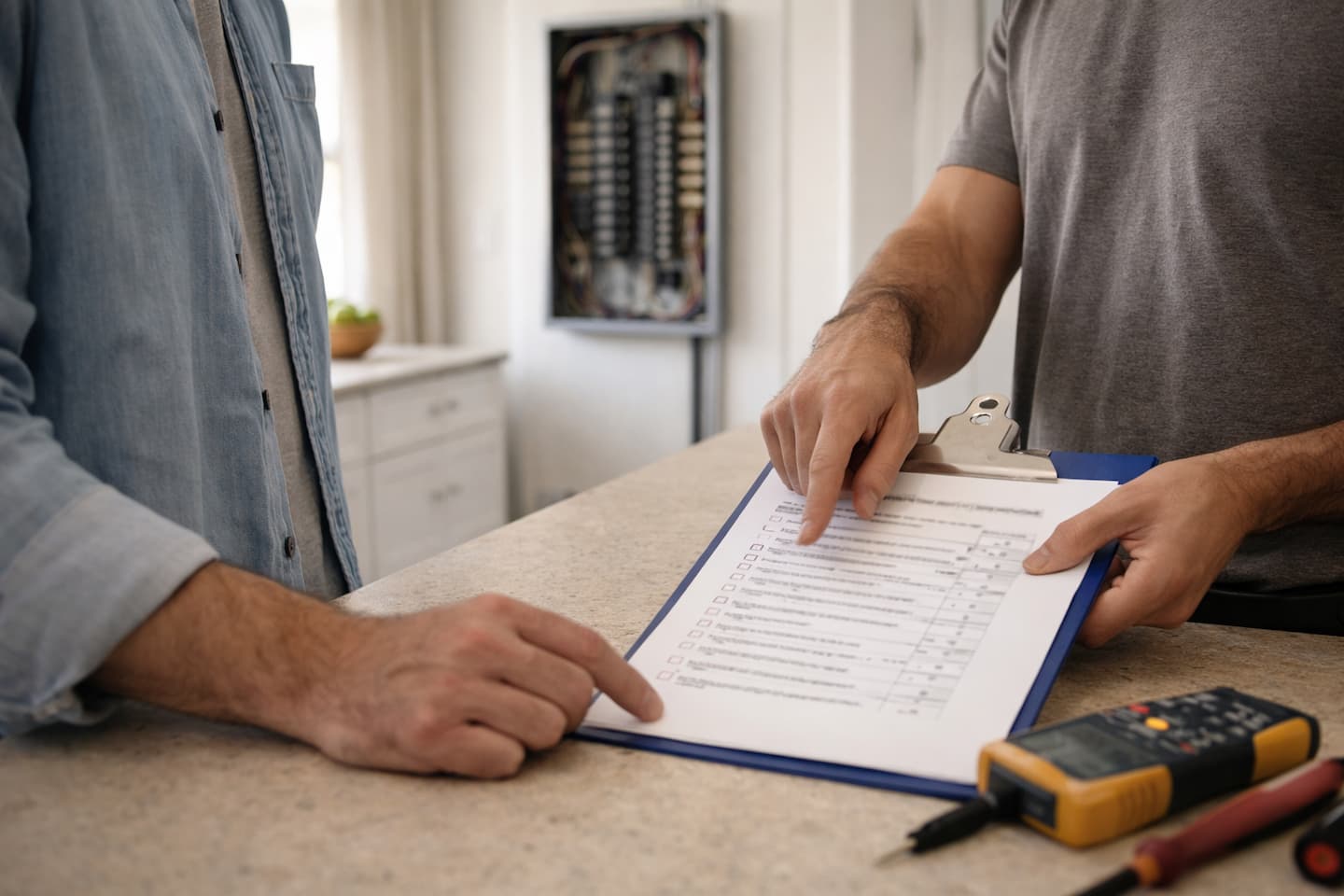
We start by clarifying what you need: general safety review, a transaction-focused visit, a rental/insurance check, or troubleshooting around symptoms like tripping breakers or warm outlets.
We look at overall panel condition, breaker behavior and fitment, signs of heat or corrosion, and common issues that can affect safety and reliability.
We check key outlets and switches, verify safety devices where applicable (like GFCI in wet/outdoor locations), and look for visible wiring concerns and problem junctions when accessible.
We separate items into: urgent hazards, recommended fixes, and optional improvements. You’ll understand what each item affects—safety, reliability, or project readiness.
You receive a photo-based summary and recommendations. If you want repairs handled, we can quote options and explain what each option accomplishes.
No scare tactics—just clear findings and practical options. We explain what matters and why, then you decide how to proceed.
Tell us what you need and we’ll recommend the right scope—basic safety review, transaction documentation, or troubleshooting-focused inspection.
Deliverables
You leave the appointment with a plan—not just observations
The most helpful inspection results are easy to act on. We organize findings so you can make decisions quickly, whether you’re a homeowner, a landlord, or someone evaluating a property.
Examples include overheating signs, damaged devices, unsafe connections, or conditions that could worsen with normal use.
These are often the “smart to do” items—especially if you’re already planning electrical work or a remodel.
Examples: surge protection, better labeling, and targeted improvements that make the system easier to maintain.
Photo-based summary
Clear photos and notes that match the priority list—useful for homeowners and for property decision-making.
Plain-English explanations
We explain what the issue is, why it matters, and what a reasonable fix looks like.
Repair options (if needed)
If you want work done, we can quote options and describe the tradeoffs in scope and long-term benefit.
Project readiness guidance
For remodels or upgrades, we highlight items that commonly affect the path forward (access, capacity, protection).

Cost
How inspection pricing is determined
Inspection cost depends on scope and complexity. We prefer to quote based on what you actually need—so you’re not paying for a generic “one size fits all” visit.
Fastest way to get an accurate quote
Send a photo of your electrical panel and a short note about the reason for the visit (sale, remodel, tripping, warm outlets, rental documentation, etc.). We’ll confirm scope and provide clear pricing before scheduling.

Local context
Why SF properties benefit from a structured inspection
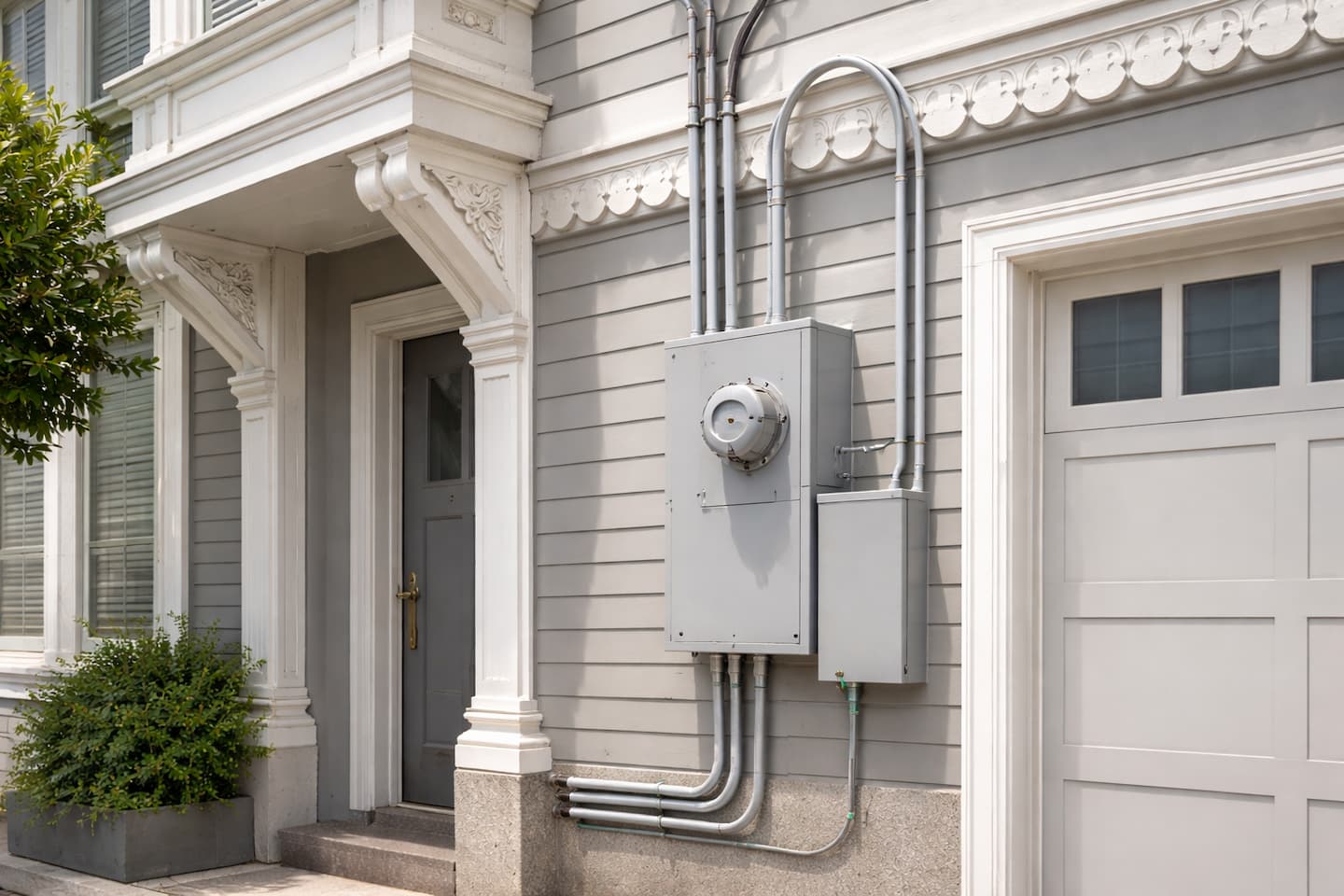
Many San Francisco homes and multi-unit buildings have been updated in stages over decades. That’s normal—but it can create mismatches: new loads on older circuits, partial rewires, or devices installed without consistent safety protection.
Mixed-era electrical work
It’s common to find different “generations” of wiring and devices in one home. We look for unsafe transitions and quick fixes.
Older panels and upgrades
Some properties have panels that were never sized for modern living. We focus on protection and realistic next steps.
Condos & shared infrastructure
Shared garages and electrical rooms add access and coordination. We keep findings clear for owners and managers.
Moisture and corrosion
Coastal air and garages can accelerate corrosion. We pay attention to hardware condition and connection integrity.
Space constraints
Small service areas and tight wall space can affect how safely equipment is installed and maintained.
Renovations done “over time”
Patchwork remodels can leave circuits inconsistent. We help you see the whole picture.
High-load additions
New equipment can stress older systems. We highlight load readiness and protection gaps.
Safety device coverage
Protection like GFCI is often missing in older areas. We identify where it matters most.
Compliance
Code compliance: what it means in real life
“Code compliance” can sound intimidating. In practice, it means your system is protected and installed in a way that reduces predictable risks: shock hazards in wet areas, overheating from poor connections, and unsafe protection choices that don’t match real conditions.
How we help
- Identify common compliance-sensitive issues We flag items that often matter for electrical work, remodels, and inspections—so you can plan fixes in the right order.
- Explain what’s safety-critical vs. “nice to have” Not everything is urgent. We help you focus budget and effort where it makes the biggest difference.
- Prepare you for permitted work If your project requires a permit, we can discuss scope choices and what to address before scheduling work.
A practical example
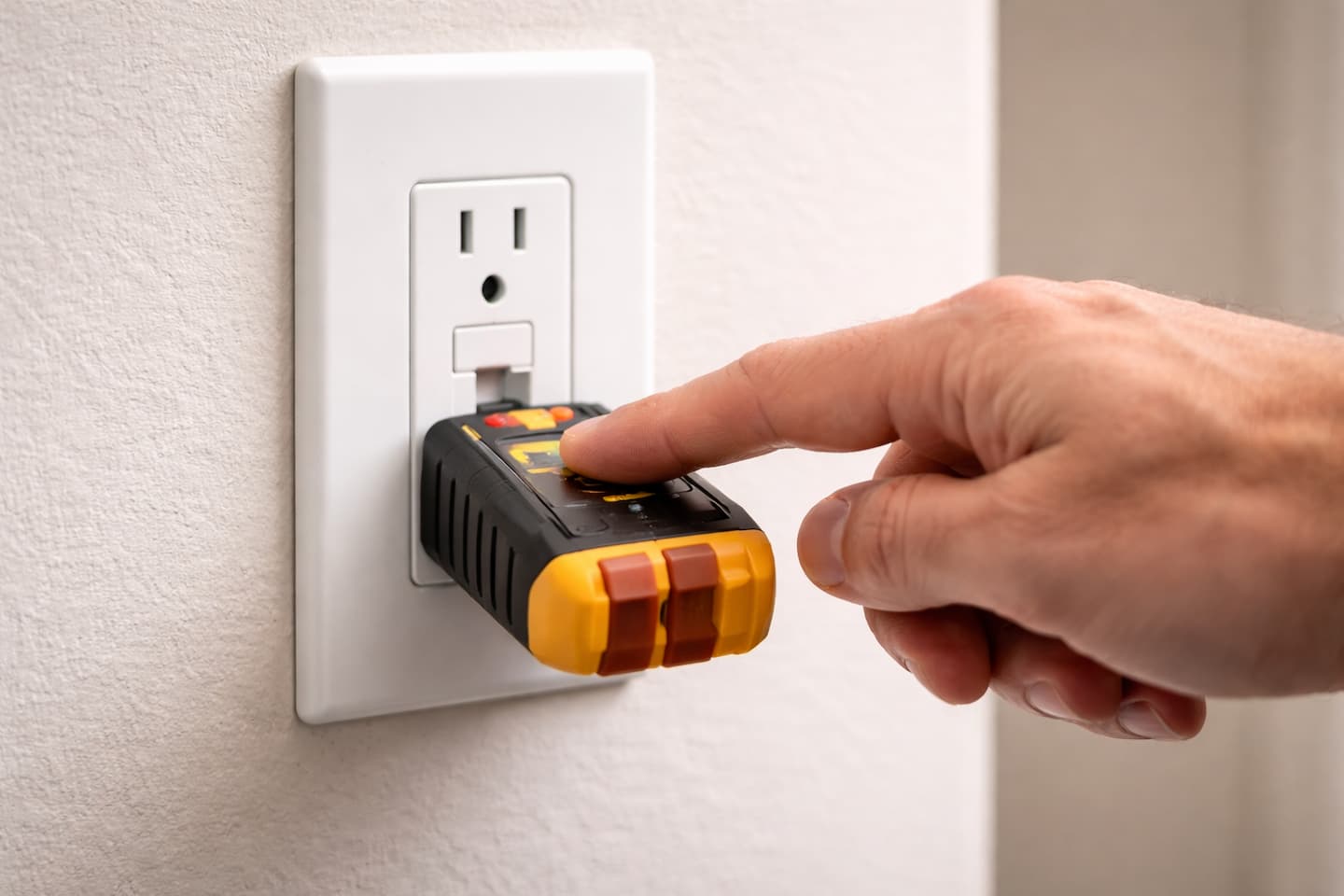
Safety devices and wet-area protection are frequent discussion points in older homes—especially when outlets are worn or locations have changed over time.
Common findings
What we often uncover—and what it usually means
Not every home has issues. But when problems exist, they tend to cluster around the same risk areas: connection quality, protection choices, device condition, and older components asked to do modern work.
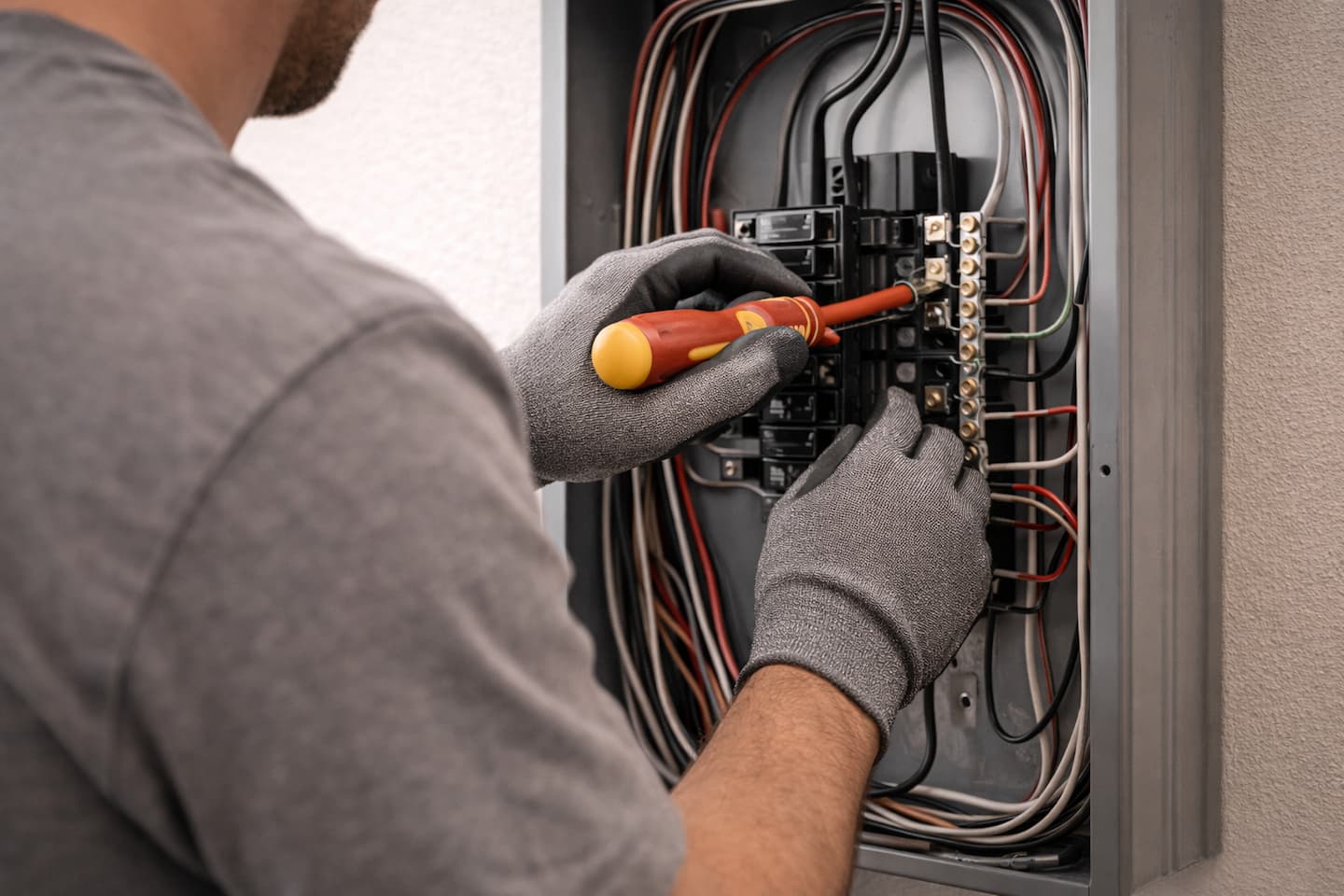
Loose or overheated connections
Heat at a termination point can worsen over time and may lead to arcing, device damage, or outages.
Correct re-termination or repair of the affected connection, plus checking nearby devices and circuit condition.
Damaged outlets or switches
Worn contacts can cause intermittent power, heat, or poor grounding—especially on frequently used circuits.
Replace devices correctly, verify box and conductor condition, and confirm safe operation after installation.
Panel limitations or aging equipment
Older equipment may not support modern usage patterns, and some panel types have known reliability concerns.
Plan targeted improvements or panel replacement when warranted—based on safety, capacity needs, and future projects.
Unsafe splices or open junctions
Improper splices can create heat and intermittent faults. Open junctions can be a direct safety hazard.
Correct the splice method, secure junctions, and bring the affected area into a safe, maintainable condition.
Missing wet-area or exterior protection
Wet locations increase shock risk. Proper device type and protection coverage are key safety improvements.
Install or upgrade protection and replace incorrect or damaged devices with proper weather-rated solutions.
Overload signs and circuit strain
Overloaded circuits can cause nuisance trips, heat, and inconsistent performance under everyday use.
Rebalance loads, add dedicated circuits where needed, and address any underlying wiring or device issues.
Scope options
Choose the inspection style that matches your goal
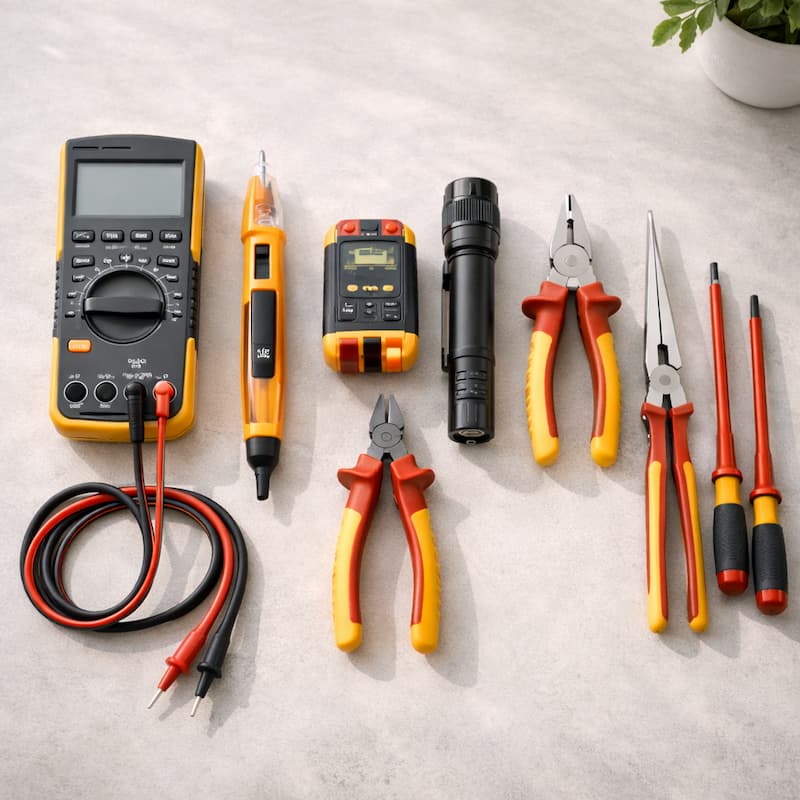
Not every situation needs the same level of depth. We can keep the visit focused and decision-oriented, or expand scope when symptoms suggest deeper issues.
General home safety review
Best for homeowners who want a structured overview and clear priorities for safety and reliability improvements.
PreventativeReal estate decision support
Focused on items that affect safety, scope, and realistic repair planning—useful for buyers, sellers, and agents.
TransactionRental / landlord documentation
Good for turnover periods and risk reduction—clear notes help owners prioritize what to address first.
DocumentationTroubleshooting-focused inspection
When you have symptoms—tripping, flicker, warm devices, or inconsistent power—we target checks around the likely causes.
SymptomsPre-upgrade readiness
Before adding major loads or new circuits, we assess capacity and protection gaps so upgrades are planned safely.
PlanningTargeted area review
If you’re concerned about one area (garage, kitchen, outdoor circuits), we can focus the visit and still provide priorities.
FocusedFAQ
Electrical inspection questions, answered
Below are the questions we hear most from homeowners, landlords, and buyers. If your situation is unusual, tell us what’s going on and we’ll recommend the right scope.
1What does an electrical inspection include?⌄
Most visits include a panel and breaker review, checks of key outlets and switches, confirmation of safety device operation where applicable, and a look for visible wiring concerns or unsafe junctions when accessible.
We then organize findings into clear priorities and explain practical next steps.
2Is this the same as a city/permit inspection?⌄
No. Official permit inspections are performed by the local authority. Our inspection helps you understand your system’s condition, reduce risk, and prepare for electrical work in a safe, organized way.
3How long does an inspection take?⌄
It depends on property size, access, and whether the visit is a general safety review or symptom-driven troubleshooting. We’ll set expectations after a quick scope confirmation.
4Do I need to be home?⌄
For most homes, yes—at least at the start. We may need access to the panel, key rooms, garage, or exterior outlets. If this is a rental or managed property, we can coordinate access with the right contact.
5What should I do before the appointment?⌄
Make sure the electrical panel area is accessible and tell us about any specific concerns: which rooms trip breakers, which outlet gets warm, or when flicker happens.
6Can you help with real estate inspections?⌄
Yes. We keep the output decision-oriented: safety issues, likely repair scope, and practical recommendations. This is especially helpful when timelines are tight and the goal is clarity.
7What if I have warm outlets or a burning smell?⌄
Treat this as urgent. Stop using the affected outlet or circuit if possible and call for help. Heat and odor can indicate a connection issue that needs prompt attention.
8Will you provide a report?⌄
Yes—your summary includes photos (when helpful), a prioritized list, and explanations that make the findings easy to act on.
9Can you do repairs after the inspection?⌄
Yes. If you want work done, we can quote repair options and explain what each option accomplishes. There’s no requirement to proceed—many clients use inspections purely for planning.
10Do you inspect condos and shared garages?⌄
Yes. Access and coordination vary by building, but we can work with owners and managers and keep notes clear for shared environments.
11How do you handle “code compliance” questions?⌄
We identify common compliance-sensitive issues and explain what is safety-critical versus optional. If you’re planning permitted work, we’ll help you understand what’s likely to matter for the project path.
12What if the panel looks outdated?⌄
We’ll explain what we see and what it implies for safety and capacity. If replacement is advisable, we’ll outline options and reasons—then you decide the timeline.
Get a quote
Schedule an electrical inspection in San Francisco
Tell us what you need—general safety review, troubleshooting, transaction documentation, or a pre-upgrade check. We’ll confirm scope and respond with clear next steps.